BNN Summary
Indian Prime Minister Narendra Modi arrives in Australia for a high-profile visit, drawing both massive, enthusiastic crowds at Marvel Stadium and coordinated human rights protests. The visit highlights the complex intersection of strategic diplomatic ties and internal Indian political tensions as the Australian government balances economic partnerships with calls to uphold the rule of law.
In-Depth Analysis
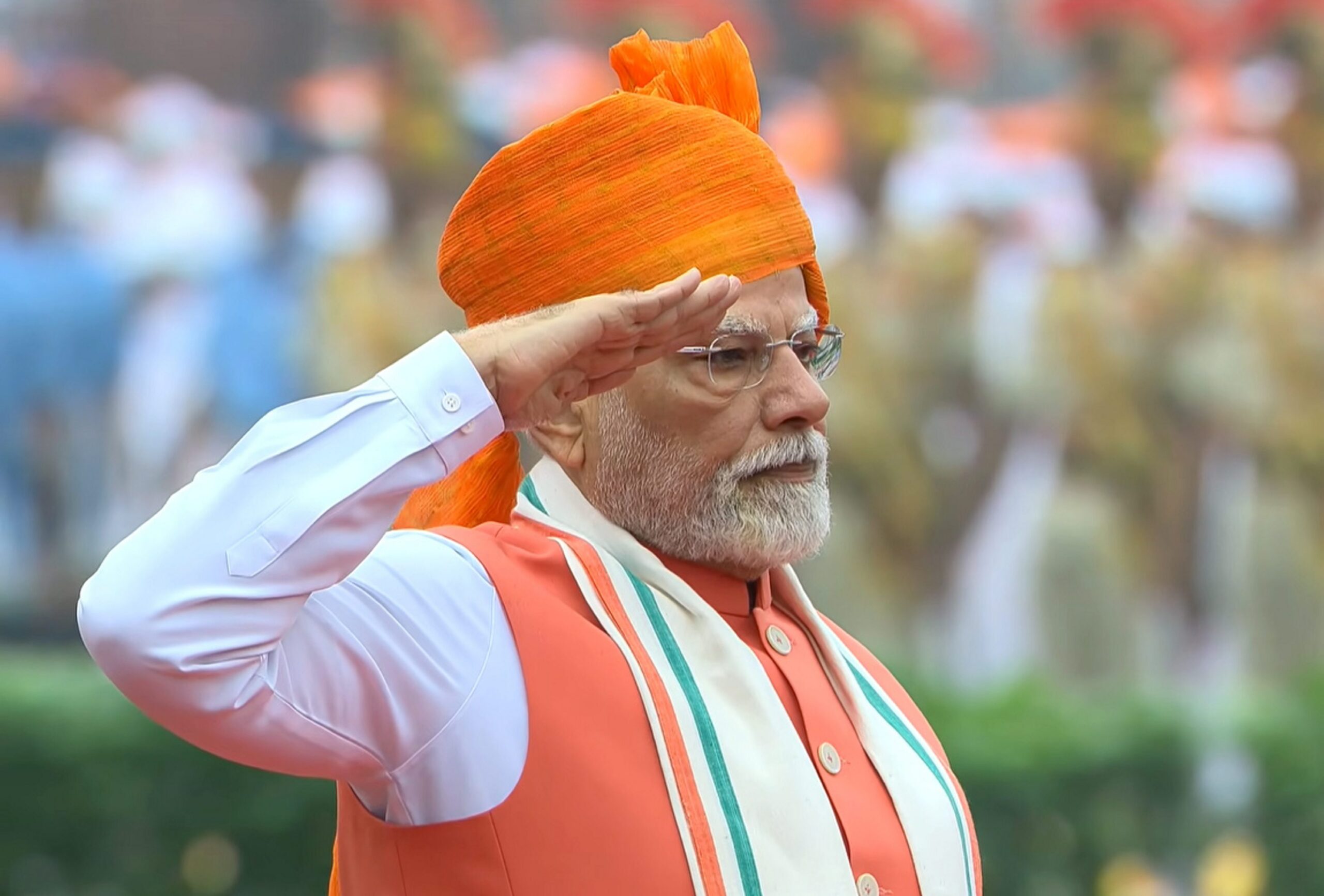
Indian Prime Minister Narendra Modi is set to receive a tumultuous reception in Australia this week, characterized by a stark contrast between a massive, celebratory diaspora gathering and targeted demonstrations by human rights activists. As Modi touches down in Melbourne, the political atmosphere remains charged, reflecting the complexities of the bilateral relationship between New Delhi and Canberra.
A Stadium Spectacle
The centerpiece of Modi's visit is a high-capacity event at Marvel Stadium, where thousands of supporters are expected to gather. Tickets for the appearance were snapped up almost immediately, underscoring the significant influence of the Indian diaspora in Australia. For many in the community, the event serves as a moment of cultural pride and a celebration of India's rising profile on the global stage. Supporters view Modi as a transformative leader, often referencing his economic policies and efforts to project 'Brand India' internationally.
The Human Rights Dimension
However, the festive atmosphere is being countered by vocal opposition. Human rights organizations, including Amnesty International, have urged the Australian government to use this diplomatic window to address concerns regarding the state of democracy and civil liberties in India. Activists have expressed deep concerns over the treatment of religious minorities, the tightening of restrictions on media freedom, and the detention of activists.
'Prime Minister Anthony Albanese has a critical opportunity to reaffirm a mutual commitment to the rule of law and human rights,' a spokesperson for a coalition of advocacy groups stated. Demonstrators are planning to gather near the stadium to draw attention to what they describe as a shrinking democratic space in India, highlighting the friction between geopolitical interests and universal human rights standards.
The Diplomatic Balancing Act
For the Australian government, the visit represents a delicate balancing act. Australia considers India a vital strategic partner in the Indo-Pacific region, essential for maintaining a balance of power and fostering economic stability. With the global economy facing a 'dreary outlook' according to recent economic forecasts, deepening trade ties with the world's most populous nation is a priority for the Albanese administration.
However, the government is also under pressure from within its own ranks and from human rights groups to ensure that economic pragmatism does not come at the expense of its own values. During previous meetings, Albanese and Modi have focused on education, critical minerals, and security cooperation. Yet, the presence of thousands of protesters serves as a potent reminder that the diaspora remains deeply connected to the political developments occurring back home.
Strategic Implications
The visit will likely be scrutinized for how both leaders navigate these sensitivities. While the official agenda focuses on strengthening the 'comprehensive strategic partnership,' the optics of the visit will be shaped by the competing narratives of the cheering crowds inside Marvel Stadium and the determined activists outside its perimeter. As the geopolitical landscape continues to evolve, Australia's engagement with India remains one of its most consequential, and often one of its most complicated, diplomatic engagements.
How do you feel about this story?
Discussion
No comments yet. Be the first to share your thoughts.
Join the discussion
Sign in to share your thoughts on this story.