BNN Summary
India stands on the precipice of a significant political shift as the delimitation process looms. Experts argue this is not a mere administrative exercise but a fundamental re-litigation of the federal balance and representational equity between the Union and its constituent states.
In-Depth Analysis
As India prepares for the next phase of its democratic cycle, the process of delimitation has emerged as a focal point of intense national debate. While often viewed by the public as a routine bureaucratic adjustment of electoral boundaries, constitutional experts and political analysts suggest that the impending exercise represents a profound re-evaluation of the country's federal architecture. This is not simply a matter of drawing lines on a map; it is an interrogation of the social contract between the Union government and the diverse states that comprise the republic.
The Historical Context
Delimitation is the act of redrawing boundaries of Lok Sabha and State Assembly seats to represent changes in population. The last major exercise concluded in 2008, based on the 2001 census. However, the subsequent exercise has been frozen, primarily to encourage states to pursue population control measures without the fear of losing political representation. As the freeze period nears its end, the tension between 'representation based on population' and 'rewarding successful socio-economic governance' has reached a boiling point.
The North-South Divide
Central to the debate is the demographic divergence between northern and southern states. Due to varying success rates in family planning and human development index metrics, states like Bihar and Uttar Pradesh have experienced significant population growth, while states in the south have seen their growth stabilize. If delimitation is strictly tied to the latest population data, the north will likely see a substantial increase in its legislative power, while the south might face a reduction in its relative influence in Parliament.
Federalism at the Crossroads
Critics argue that a rigid application of population-based delimitation threatens the spirit of cooperative federalism. There is a prevailing fear that political power might become increasingly concentrated in regions with higher population densities, potentially alienating states that have invested heavily in social development and literacy. The current discourse suggests that a 'one size fits all' approach could exacerbate regional grievances and strain the fiscal and political relationship between the center and the states.
Administrative or Political?
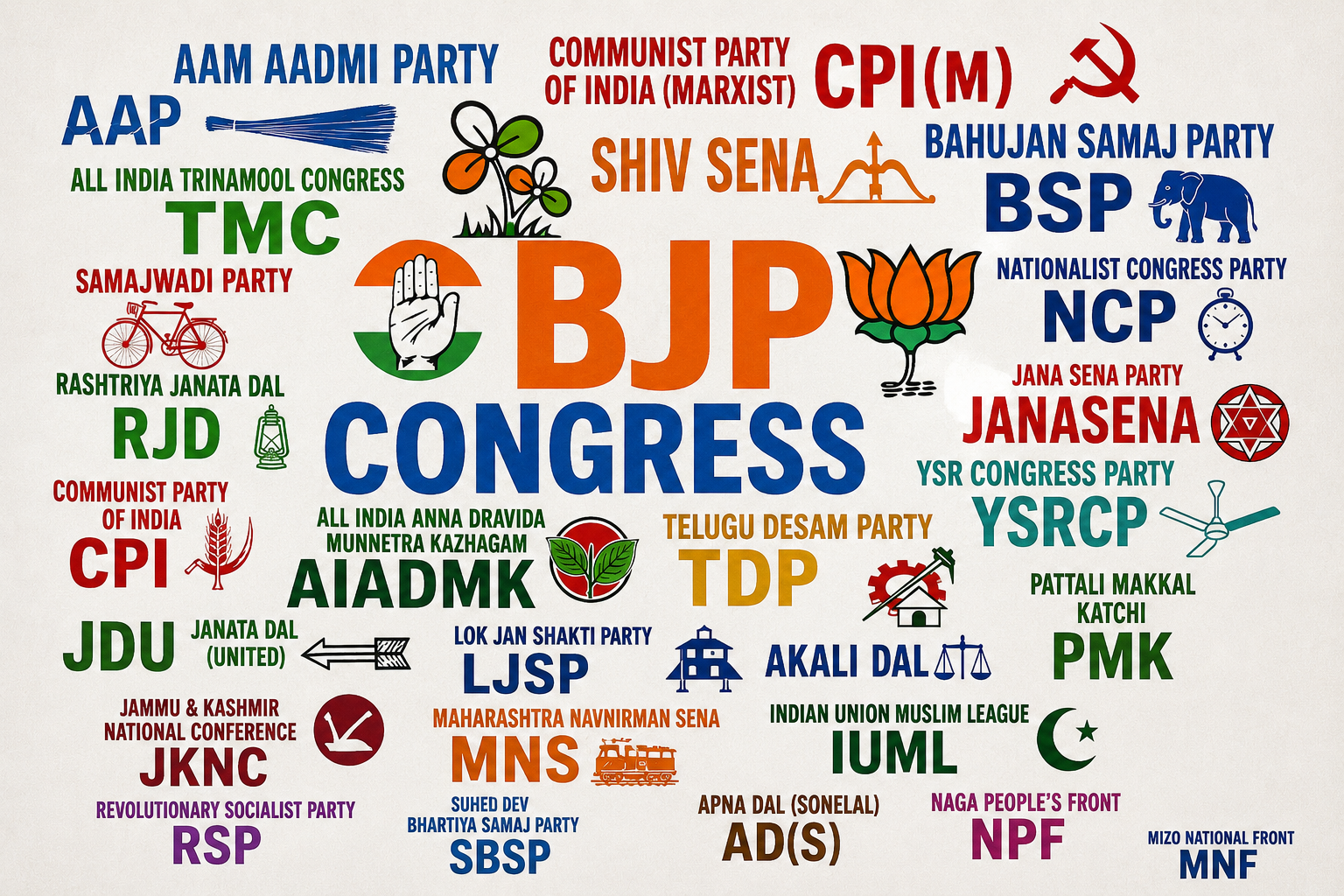
While the Delimitation Commission is technically an independent body, the implications of its findings are purely political. The redistribution of seats affects the survival of regional parties and the long-term electoral strategies of national players. Furthermore, the reservation of seats for Scheduled Castes (SC) and Scheduled Tribes (ST) adds another layer of complexity. As seen in constituencies like Samastipur, where candidates like Lal Babu Mahto represent the specific interests of reserved categories, any change in geography necessitates a delicate balancing act to ensure that marginalized voices are not diluted or sidelined by shifting demographic tides.
Looking Ahead
The challenge for policymakers is to find a middle ground that respects the constitutional mandate of equal representation while acknowledging the diverse trajectories of India's states. Many suggest that the government may need to consider a 'new federal compact' that accounts for factors beyond mere headcount, such as human development, tax contribution, and administrative efficiency. Without a broad political consensus, the delimitation process risks becoming a source of national instability rather than a tool for democratic refinement.
How do you feel about this story?
Discussion
No comments yet. Be the first to share your thoughts.
Join the discussion
Sign in to share your thoughts on this story.