Image: Wikipedia
BNN Summary
Gajapati Maharaja Dibyasingha Deb of Puri has petitioned President Droupadi Murmu and Prime Minister Narendra Modi to intervene regarding ISKCON's decision to conduct Jagannath Ratha Yatra festivals abroad at inappropriate times, citing religious guidelines.
In-Depth Analysis
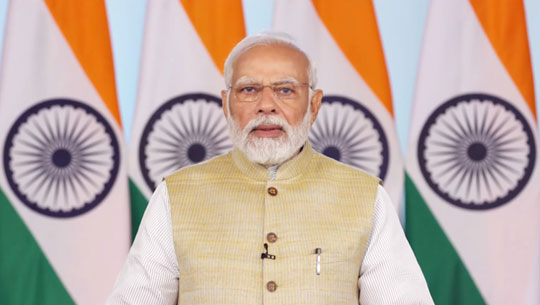
The titular king of Puri, Gajapati Maharaja Dibyasingha Deb, has escalated concerns regarding the conduct of Ratha Yatra processions organized by the International Society for Krishna Consciousness (ISKCON). In formal letters addressed to President Droupadi Murmu and Prime Minister Narendra Modi, the Gajapati expressed profound displeasure over the practice of conducting these chariot festivals at various times of the year, which deviates from the sacred traditions observed at the Srimandir in Puri.
The Sanctity of the Tradition
According to the Gajapati, who serves as the primary servitor and guardian of the Jagannath tradition, the Ratha Yatra is not merely a public parade but a highly structured ritualistic event governed by strict Vedic and Srimandir scriptures. In Puri, the festival occurs exclusively on the second day of the bright fortnight of the Ashadha month. This timing is deeply rooted in astrological and spiritual protocols that define the life cycle of the deities.
The Gajapati argued that by organizing Ratha Yatras across different international locations throughout the year, ISKCON is essentially diluting the sanctity of the Jagannath cult. The primary concern is that the deity of Lord Jagannath, as conceptualized in the holy scriptures, is intended to remain in the Srimandir, and his 'Bahuda Yatra' or return journey should strictly adhere to the traditional lunar calendar. Conducting these festivals on arbitrary dates, according to the Gajapati, constitutes a violation of established religious norms and local sentiment in Odisha.
Call for Government Intervention
In his appeal to the highest offices of the Indian government, the Maharaja requested that the Ministry of External Affairs and the Ministry of Culture provide guidance or directives to ensure that organizations conducting religious festivals related to Indian deities respect the traditional timelines and protocols established by the original temple authorities in Odisha. He suggested that such global celebrations should be renamed or repurposed if they cannot adhere to the strict religious timeline, thereby preventing confusion among devotees worldwide.
A Broader Cultural Friction
The situation highlights a long-standing tension between global religious movements like ISKCON and the traditional custodians of Odisha's regional temple culture. While ISKCON views these festivals as a means of 'Bhakti Yoga' outreach and cultural expansion, the traditionalists in Puri view them as 'ritual appropriation'. The Gajapati, by reaching out to the central government, is seeking to establish a framework where the global practice of Hinduism remains tethered to the foundational traditions of ancient Indian temple cities.
As the debate continues, devotees of Lord Jagannath remain divided. Some support the global spread of the tradition as a modern necessity for cultural preservation, while others agree with the Maharaja that without the traditional strictures, the spiritual gravity of the festival is significantly diminished. The government response, if any, remains highly anticipated as this involves sensitive matters of faith, tradition, and the administration of religious practices on a global stage.
How do you feel about this story?
Discussion
No comments yet. Be the first to share your thoughts.
Join the discussion
Sign in to share your thoughts on this story.