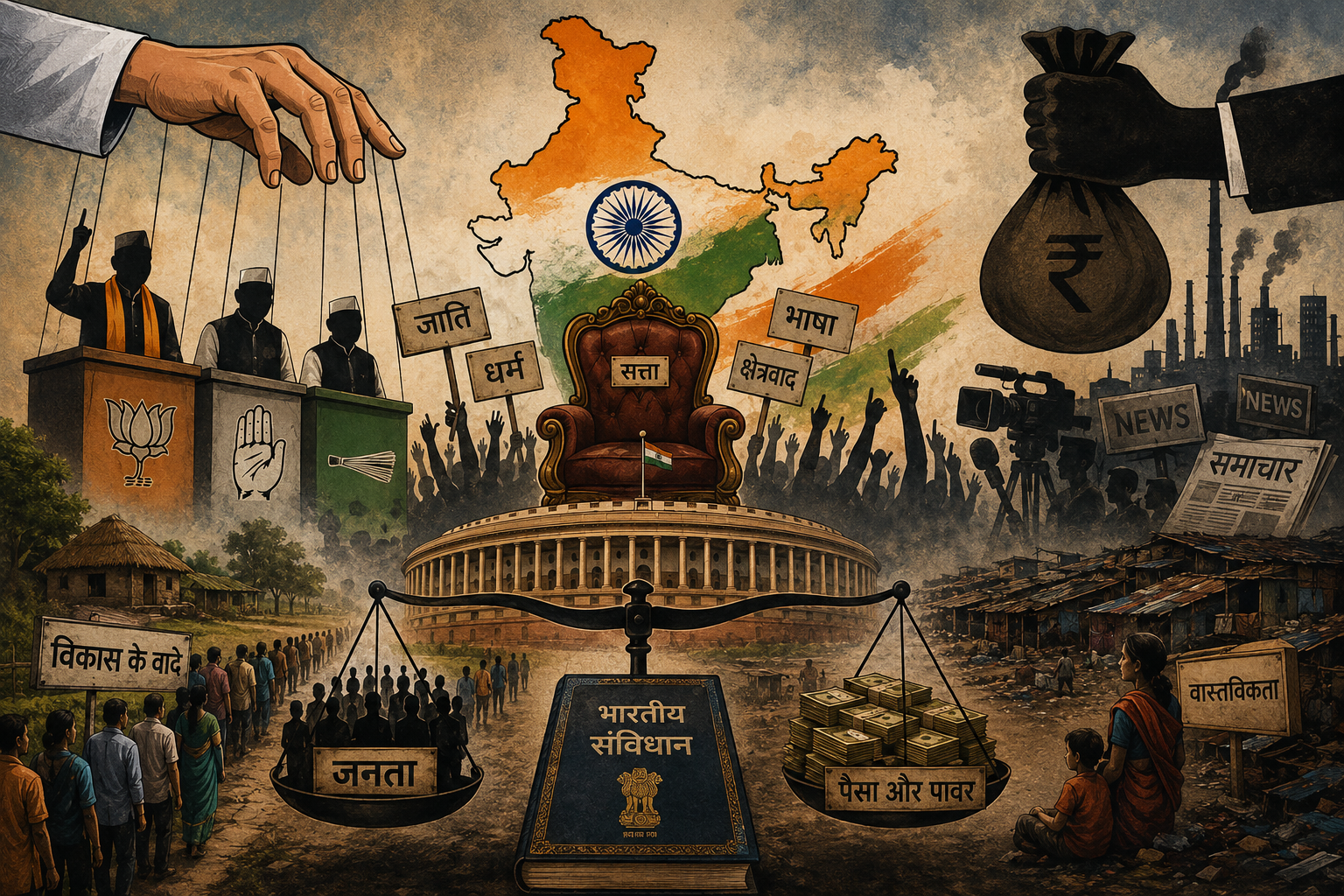
Image: Wikimedia
BNN Summary
Congress leader K.C. Venugopal has initiated privilege proceedings against Union Defence Minister Rajnath Singh, accusing him of misleading Parliament. The complaint centers on alleged misrepresentation of facts concerning casualties in 'Operation Sindoor', highlighting serious concerns about governmental transparency and ministerial accountability in sensitive national security matters.
In-Depth Analysis
Congress leader K.C. Venugopal has formally sought to initiate privilege proceedings against Union Defence Minister Rajnath Singh, alleging that the senior minister misled Parliament regarding sensitive national security matters. The move underscores a heightened scrutiny on governmental accountability and transparency within legislative chambers, especially concerning statements made by ministers.
The core of Venugopal's complaint stems from what he describes as a serious misrepresentation of facts concerning casualties in 'Operation Sindoor'. While specific details of the operation were not immediately elaborated upon in the formal complaint, the context clearly indicates a profound concern over the accuracy of information provided by the Defence Ministry to the nation's highest legislative body. Matters pertaining to the sacrifices made by military personnel are deeply sensitive, and any alleged discrepancy in reporting such critical information can severely erode public trust, undermine the morale of the armed forces, and disrespect the solemnity of parliamentary proceedings.
A privilege motion is a parliamentary device utilized to address a breach of parliamentary privilege, which encompasses the rights and immunities enjoyed by individual Members of Parliament and the House collectively. One of the most serious breaches is the act of misleading Parliament, as it directly impacts the legislative body's ability to discharge its constitutional functions effectively, based on accurate and truthful information. If a minister is found to have intentionally misled Parliament, it can lead to severe consequences, including censure, a formal reprimand, or even suspension from the House, depending on the gravity and proven intent behind the misleading statement.
The process for a privilege motion typically involves the Member giving formal notice to the presiding officer—either the Speaker of the Lok Sabha or the Chairman of the Rajya Sabha. The presiding officer then decides whether to grant consent to the motion. If consent is granted, the motion is usually referred to the Committee of Privileges for thorough examination. This committee, comprising Members of Parliament, investigates the matter, hears from the concerned parties, gathers evidence, and then submits a detailed report to the House for its consideration. The committee's recommendations can range from finding no breach of privilege to recommending punitive action against the accused member.
This latest development highlights the ongoing political sparring between the opposition Congress party and the ruling government. The Congress has consistently sought to hold the government accountable on various fronts, and issues concerning national security, defence operations, and the welfare of armed forces personnel often become central points for such intense scrutiny. Venugopal's action signals the opposition's resolve to challenge what it perceives as lapses in governmental transparency and to ensure that ministers uphold the highest standards of truthfulness and integrity when addressing Parliament. The allegation against a senior and prominent minister like Rajnath Singh, who holds the crucial Defence portfolio, carries significant political weight and could potentially spark intense debates within Parliament, drawing considerable national attention to the standards of ministerial conduct and parliamentary ethics.
The outcome of this privilege motion will be closely watched, not only for its direct implications for Defence Minister Rajnath Singh but also for setting crucial precedents regarding accountability and transparency within India's parliamentary democracy. It reinforces the fundamental principle that all members, particularly those holding ministerial portfolios, are bound by the obligation to present accurate and truthful information to the legislative body, thereby upholding the sanctity and credibility of parliamentary proceedings.
How do you feel about this story?
Discussion
No comments yet. Be the first to share your thoughts.
Join the discussion
Sign in to share your thoughts on this story.