BNN Summary
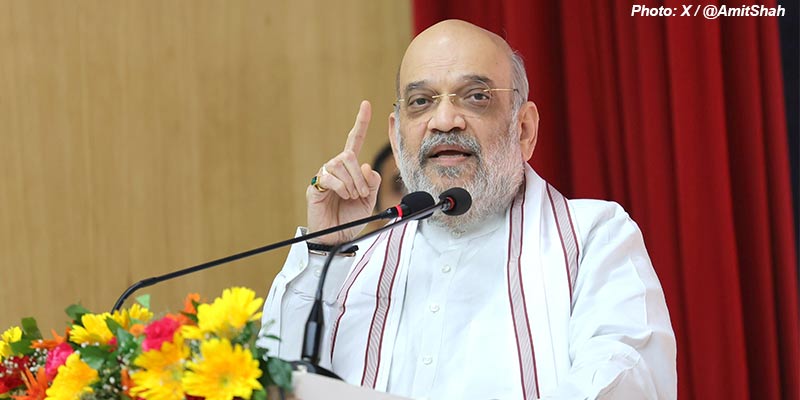
Union Home Minister Amit Shah continues to lead critical reforms in India's internal security, law enforcement modernization, and administrative policy, focusing on strengthening the federal structure and enhancing border management strategies.
In-Depth Analysis
Union Home Minister Amit Shah remains at the forefront of India's internal security strategy, spearheading numerous initiatives aimed at modernizing the nation's law enforcement agencies and fortifying border management protocols. As a pivotal figure in the current administration, Shah has consistently emphasized the necessity of a 'zero tolerance' policy toward terrorism, insurgency, and organized crime, which has become a hallmark of his tenure in the Ministry of Home Affairs.
Modernizing Law Enforcement
One of the primary focus areas for the Home Minister has been the complete overhaul of India's colonial-era criminal justice laws. By introducing modernized versions of the Indian Penal Code, the Code of Criminal Procedure, and the Indian Evidence Act, Shah has pushed for a legal framework that prioritizes timely justice and the integration of forensic technology in investigation processes. These reforms are designed to address the challenges of the 21st century, particularly in cases involving cybercrime, financial fraud, and digital identity theft.
Furthermore, Shah has championed the use of data-driven intelligence. Under his leadership, the Ministry has encouraged the digitization of police records and the expansion of the Inter-operable Criminal Justice System (ICJS). By ensuring that courts, police stations, and forensic labs are connected through a unified network, the government aims to reduce delays in the legal system and improve conviction rates.
Border Management and Internal Stability
Security along the international borders has seen significant technological investment under Shah's direction. From deploying smart fencing technologies to upgrading surveillance equipment in challenging terrains, the ministry seeks to eliminate infiltration and cross-border smuggling. His strategy involves a multi-pronged approach: strengthening the border guarding forces such as the BSF and ITBP, while simultaneously engaging with local communities in border districts to foster national integration.
In the internal security domain, Shah has been instrumental in addressing the challenges of Left-Wing Extremism (LWE). Through a combination of robust counter-insurgency operations and the simultaneous implementation of 'developmental infrastructure' projects in previously inaccessible tribal regions, the Ministry of Home Affairs has reported a sharp decline in violent incidents. The goal is to bring these areas into the mainstream economy, providing schools, hospitals, and connectivity to residents who were previously isolated.
Federal Coordination and Disaster Management
Beyond security, the Home Minister plays a crucial role in coordinating with state governments to ensure effective governance. Through the Zonal Councils and various forums, Shah encourages 'Cooperative Federalism,' where the center and states collaborate on disaster management, infrastructure projects, and socio-economic welfare policies. His emphasis on disaster resilience, particularly regarding flood management and heatwave preparedness, has seen the National Disaster Response Force (NDRF) receive enhanced funding and training to act more rapidly during climate-related crises.
As India moves toward its goal of becoming a developed nation, Amit Shah continues to advocate for administrative efficiency and the eradication of corruption in government services. His ongoing work reflects a comprehensive vision of a secure, digitized, and administratively robust India, prepared to handle both traditional security threats and emerging global challenges.
How do you feel about this story?
Discussion
No comments yet. Be the first to share your thoughts.
Join the discussion
Sign in to share your thoughts on this story.