BNN Summary
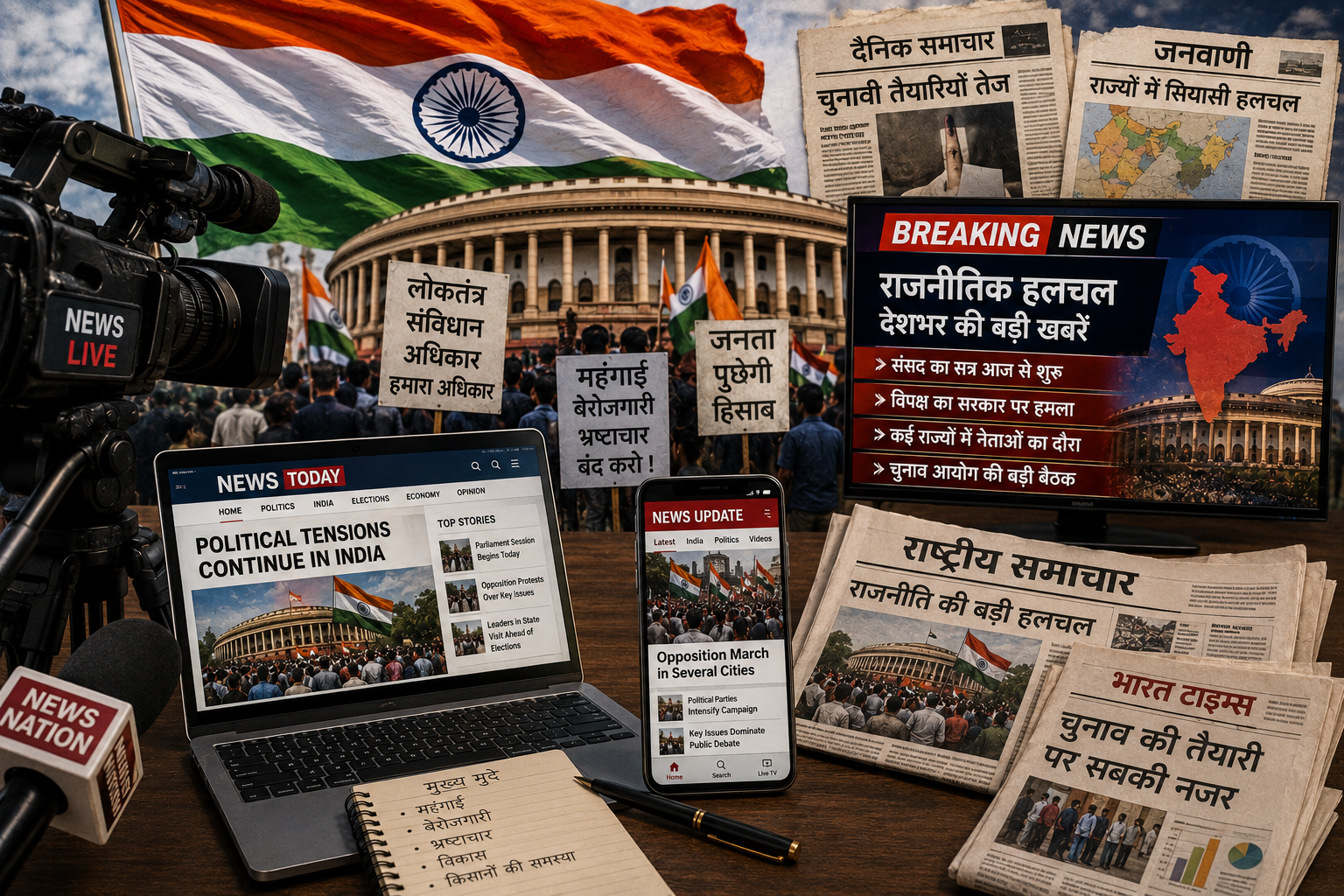
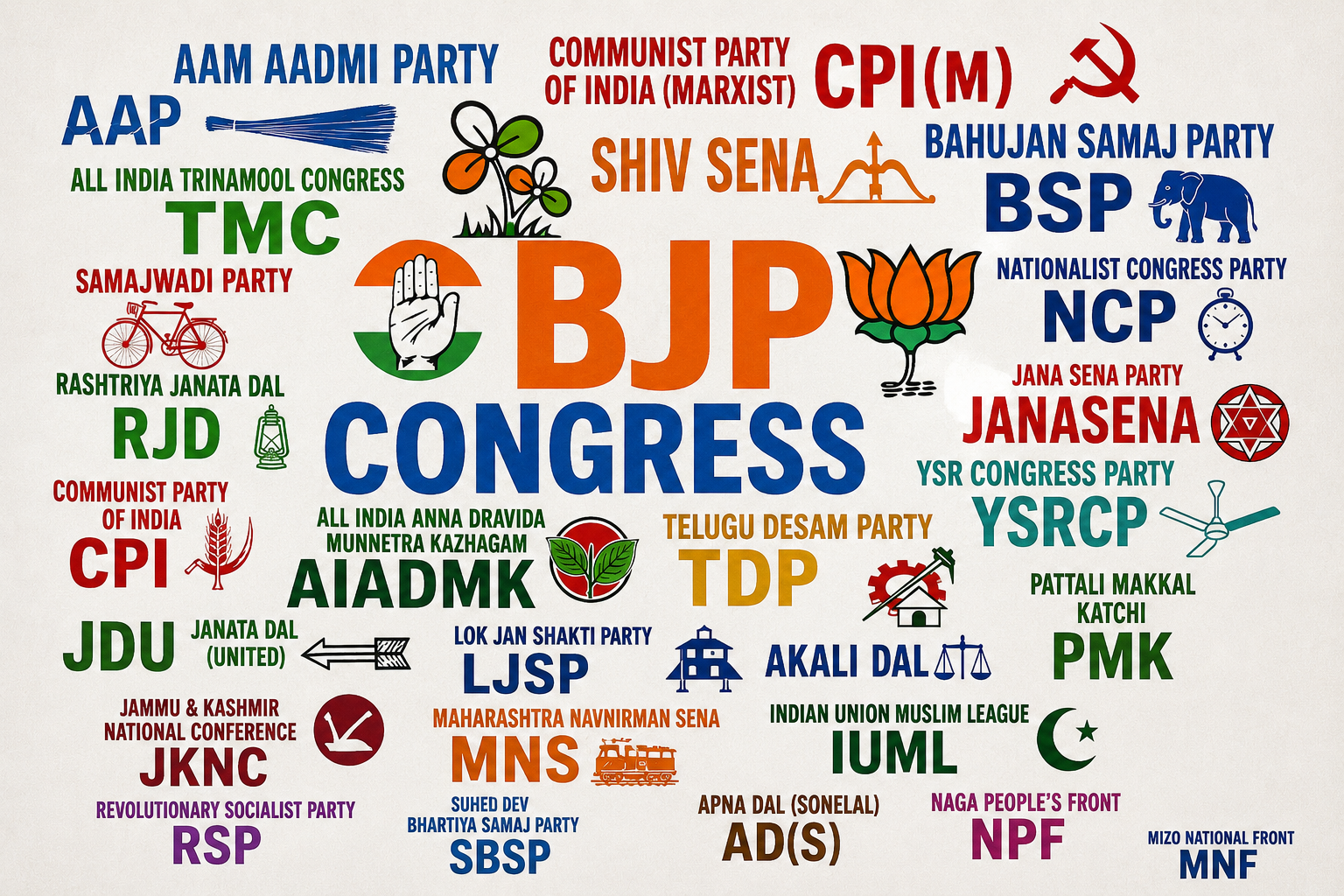
Senior Congress leader Sonia Gandhi's recent opinion piece criticizing India's stance on the Gaza conflict has triggered a sharp rebuke from the Bharatiya Janata Party, which accused her of prioritizing vote-bank politics over national interest.
In-Depth Analysis
Asignificant political controversy has erupted following an opinion piece authored by Congress Parliamentary Party Chairperson Sonia Gandhi, in which she expressed deep concern regarding India's official response to the ongoing humanitarian crisis in Gaza. The article, which calls for a more robust and vocal condemnation of the escalating violence, has become the latest flashpoint in the ongoing ideological struggle between the Congress party and the ruling Bharatiya Janata Party (BJP).
The Core of the Controversy
In her op-ed, Gandhi argued that India has historically maintained a principled stance on the Palestinian cause, championing the rights of oppressed peoples on the international stage. She suggested that the current government's relatively measured and strategic approach represents a departure from traditional foreign policy norms. By characterizing the silence from New Delhi as 'deafening,' Gandhi urged the administration to take a more proactive diplomatic role to ensure the protection of civilians and the restoration of essential humanitarian aid in the war-torn territory.
BJP's Sharp Rebuttal
The BJP leadership was quick to respond, dismissing the critique as a calculated attempt to stir communal sentiments for electoral gains. Addressing the media, BJP spokespersons labeled the Congress leader's stance as an attempt to introduce 'vote-bank' politics into the arena of national foreign policy. The ruling party maintained that India's position is dictated by a careful balancing of national interests, diplomatic partnerships, and a commitment to counter-terrorism, rather than partisan considerations.
'The Congress party is attempting to misinform the public,' a senior BJP official stated. 'Our foreign policy is driven by the vision of a global leader, not by the petty considerations of appeasement politics that defined previous regimes. The situation in Gaza is complex, and India is engaging with all stakeholders to promote peace and stability without compromising its own security imperatives.'
Implications for Political Discourse
This verbal clash highlights the widening gulf between the two major political forces regarding how India should project its power in global conflicts. While the Congress party seeks to frame the debate through the lens of human rights and historical solidarity with the Global South, the BJP emphasizes its 'India First' doctrine.
Analysts suggest that the timing of this debate is crucial. With domestic elections and shifting regional alliances in West Asia, both parties are keen to define their foreign policy identity to their respective voter bases. The BJP remains confident that its approach resonates with a modern electorate that prioritizes pragmatism, while the Congress party appears determined to recapture its traditional narrative of being the voice of social justice and international empathy.
As the war in Gaza continues to dominate global headlines, the domestic debate in India is unlikely to subside. Both sides are digging in, with the Congress signaling that it will continue to pressure the government on matters of international morality, while the BJP remains equally resolute in defending its strategic neutrality and focus on national sovereignty. The discourse serves as a reminder that in contemporary Indian politics, even the most distant conflicts are viewed through the prism of domestic legitimacy and the ongoing battle for political dominance.
How do you feel about this story?
Discussion
No comments yet. Be the first to share your thoughts.
Join the discussion
Sign in to share your thoughts on this story.