BNN Summary
Rahul Gandhi marks two years as the Leader of the Opposition, navigating a complex political landscape. As he continues his campaign against the NDA government, his primary focus remains on fortifying the INDIA bloc's unity and shaping a cohesive pro-people agenda to challenge the status quo.
In-Depth Analysis
Rahul Gandhi, serving as the Leader of the Opposition (LoP), has officially completed two years in his current capacity, a period defined by persistent ideological combat with the National Democratic Alliance (NDA) government. As he enters this new phase of his tenure, political analysts and internal party leaders suggest that his roadmap is set on two primary objectives: maintaining a rigorous pro-people agenda and addressing the growing fissures within the INDIA bloc.
A Shift in Parliamentary Strategy
Over the past twenty-four months, Rahul Gandhi has transitioned from a traditional parliamentarian to a vocal challenger of central policies. His 'Bharat Jodo Yatra' and subsequent grassroots outreach programs provided the foundation for his legislative stance, where he has consistently raised concerns regarding unemployment, inflation, and the protection of constitutional values. Congress party leaders have emphasized that his office will continue to pivot toward issues that resonate directly with the rural and suburban workforce.
The Challenge of INDIA Bloc Unity
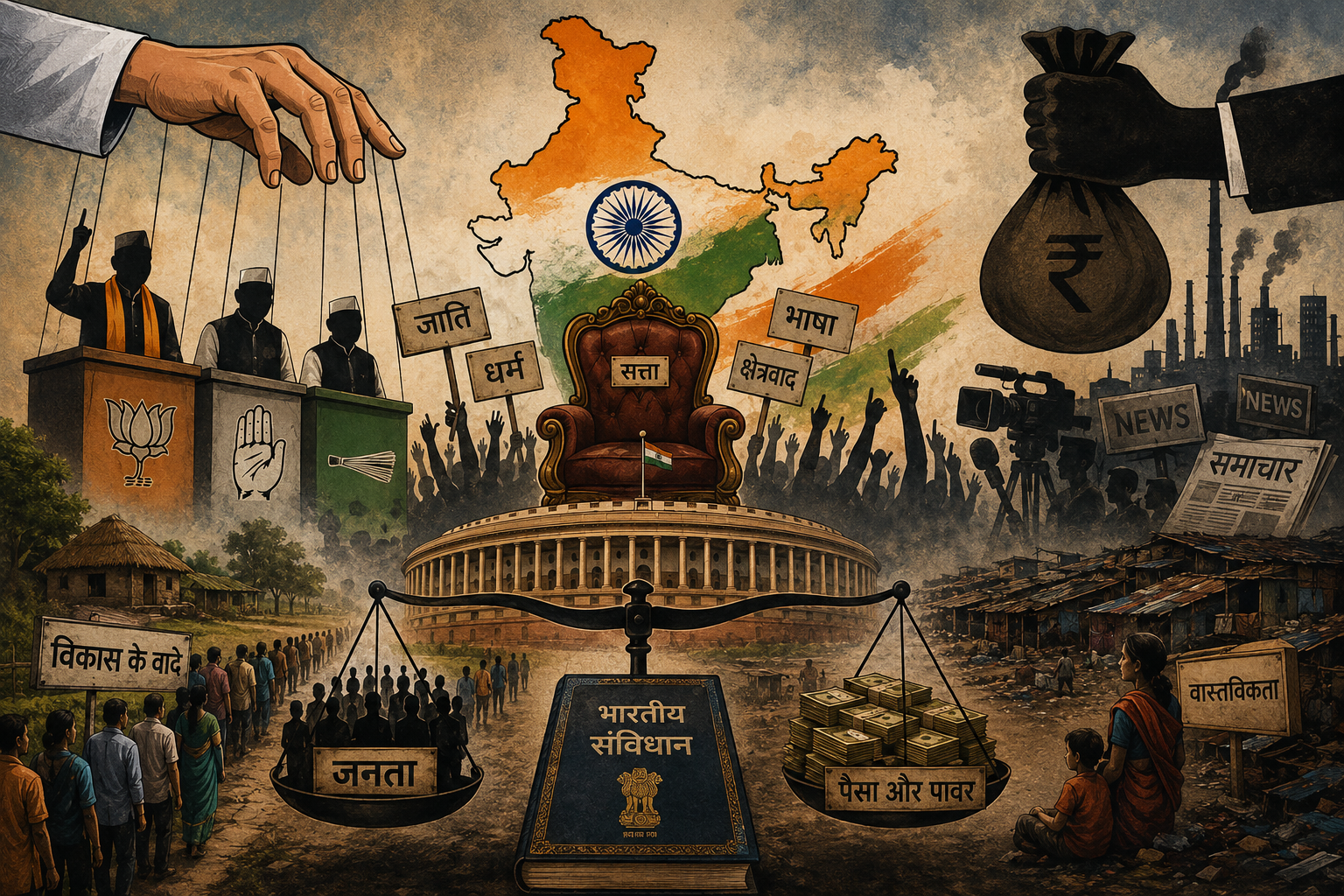
Perhaps the most significant challenge facing Gandhi in his third year of office is the stabilization of the INDIA (Indian National Developmental Inclusive Alliance) bloc. The coalition, which comprises a diverse array of regional and national parties, has struggled to find a unified voice on several contentious state-level issues. While the alliance proved successful in creating a narrative of opposition unity during the general election cycle, maintaining that synergy during legislative sessions has proven difficult.
Key areas of concern for the LoP include:
- Seat Sharing Negotiations: Harmonizing the divergent interests of coalition partners during upcoming state assembly elections.
- Policy Cohesion: Developing a singular economic narrative that stands as a viable alternative to the NDA's current developmental framework.
- Regional Conflict Resolution: Managing the friction between state-level allies who remain direct competitors in their home constituencies.
The Pro-People Agenda
Congress strategists indicate that Gandhi intends to amplify his focus on the 'caste census' and 'social justice' platforms, which have become the core of his messaging. By framing these issues as essential to modern governance, he seeks to occupy the political space left by the lack of direct engagement between the ruling party and the marginalized sectors of society. His strategy involves a combination of high-intensity parliamentary debates and sustained field visits to connect with constituencies that feel alienated by recent economic policies.
Outlook for the Future
As the political climate in India becomes increasingly polarized, the role of the Leader of the Opposition has gained significant weight. Gandhi faces the delicate task of balancing the aggressive rhetoric required to satisfy his political base with the diplomatic maneuvering necessary to keep the opposition coalition intact. Whether he can convert his public outreach into a tangible legislative victory or a dominant electoral force remains the central question of his leadership. For now, his office remains committed to a strategy of persistent friction against the government, believing that a prolonged battle on socio-economic issues will eventually tilt the national discourse in their favor.
How do you feel about this story?
Discussion
No comments yet. Be the first to share your thoughts.
Join the discussion
Sign in to share your thoughts on this story.