BNN Summary
Recent political maneuvers, including defections in the Shiv Sena and ongoing challenges for the Trinamool Congress, raise questions about the state of opposition politics in India. This report explores the systemic pressures currently reshaping the nation's political landscape.
In-Depth Analysis
The landscape of Indian opposition politics is undergoing a period of intense volatility, marked by a series of strategic setbacks that have led many analysts to question the sustainability of the current political order. From the fracturing of regional powerhouses to the shifting allegiances within legacy parties, the opposition bloc finds itself navigating perhaps its most precarious era in recent history.
The Erosion of Shiv Sena (UBT)
The most recent indicator of this instability was the departure of six Members of Parliament from the Uddhav Thackeray-led Shiv Sena (UBT) to join the Eknath Shinde-led faction. This move is not merely a symbolic loss; it represents a fundamental shift in the control of the party's institutional legacy. For the Shiv Sena, which has long prided itself on 'Shakha' culture and local grassroots dominance, the loss of elected representatives to a breakaway group backed by the ruling establishment signifies a deeper structural vulnerability.
Challenges Facing the Trinamool Congress
Simultaneously, the Trinamool Congress (TMC) in West Bengal is confronting a multi-pronged offensive. Faced with intense scrutiny from central investigative agencies regarding various corruption allegations, the party is struggling to maintain its narrative dominance. The TMC, which had positioned itself as a formidable national alternative, is currently forced to focus its resources on internal preservation and legal battles. This shift in focus limits their ability to conduct aggressive campaigning or influence the national political discourse, effectively sidelining one of the most vocal critics of the current federal government.
The Phenomenon of Defections
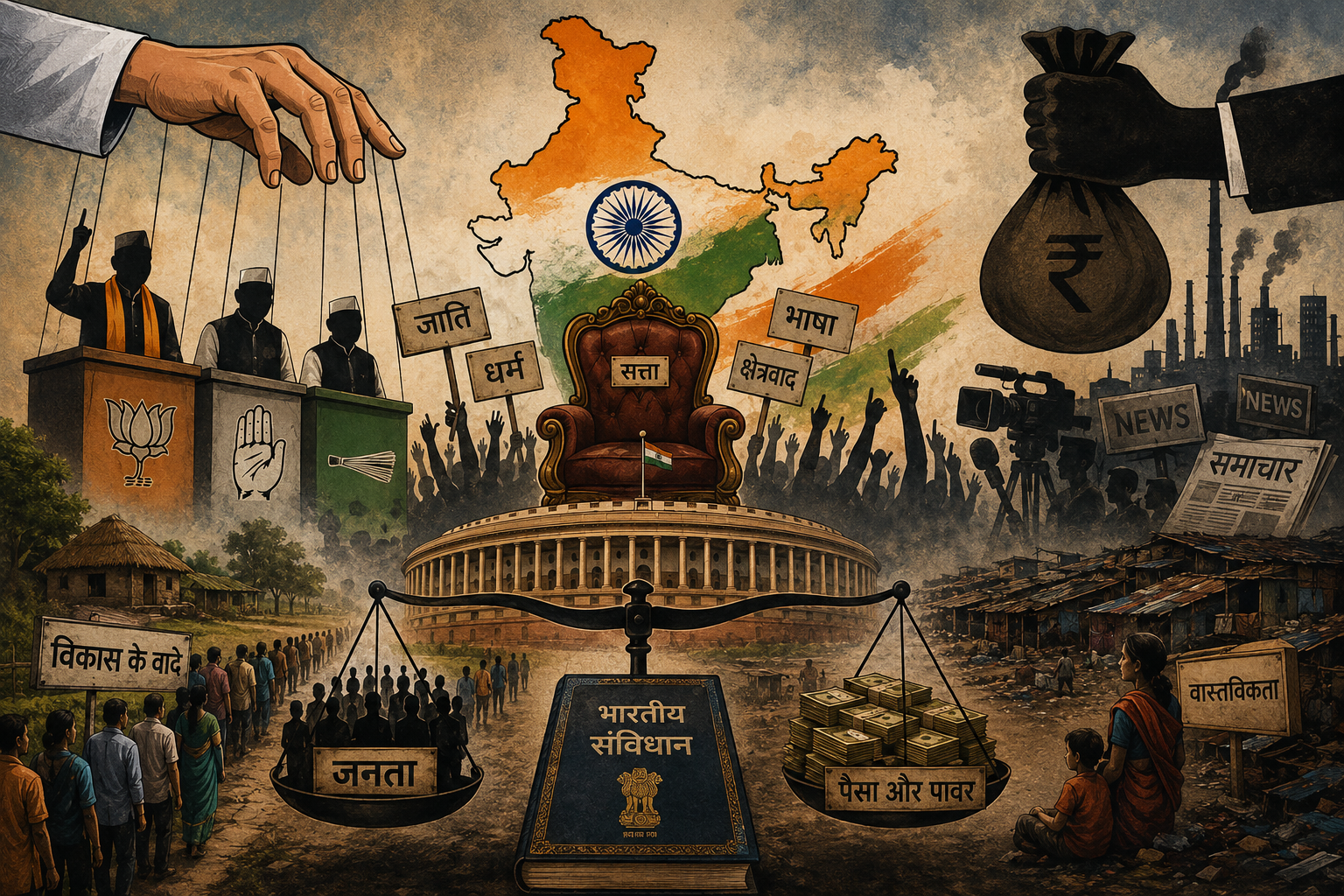
Political scientists point to a 'defection cycle' that has become increasingly common. When parties in opposition face administrative or legal pressure, the motivation for individual legislators to switch sides—often citing 'developmental' reasons or ideological alignment with the ruling party—increases exponentially. This trend suggests that political loyalty is increasingly secondary to the necessity of remaining aligned with the ruling power structure to ensure local constituency development and protection from investigative oversight.
Strategic Implications
The cumulative effect of these developments is the gradual weakening of political checks and balances. When regional parties, which serve as the bedrock of Indian federalism, are hollowed out through defections or paralyzed by litigation, the result is a less vibrant democratic ecosystem.
- Resource Depletion: Opposition parties are spending their limited financial and human capital on preventing further splits rather than on policy formulation.
- Legislative Weakness: A smaller footprint in the Parliament translates to diminished capability to scrutinize bills or challenge government policy.
- Electoral Fatigue: Continuous internal strife often leads to voter disillusionment, potentially impacting future turnout and support base retention.
In conclusion, the current environment presents a formidable test for the Indian opposition. Whether these fractures are a temporary byproduct of a dominant-party system or represent a permanent shift in the political culture of the nation remains to be seen. However, the current signals suggest that the opposition must fundamentally reinvent its survival strategy to remain relevant in a rapidly changing political terrain.
How do you feel about this story?
Discussion
No comments yet. Be the first to share your thoughts.
Join the discussion
Sign in to share your thoughts on this story.