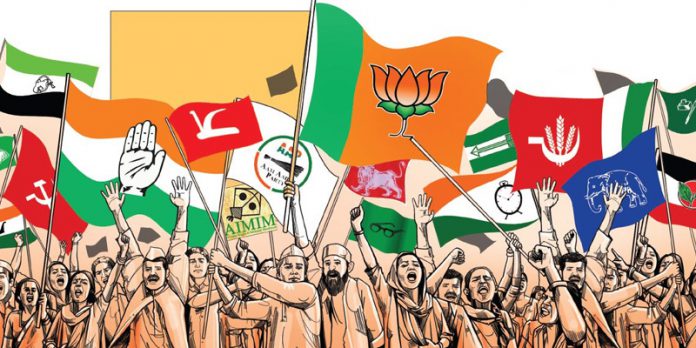
Image: Wikimedia
BNN Summary
Prime Minister Narendra Modi has convened a high-level cabinet meeting to assess ministerial performance and foster inter-departmental synergy. Discussions focused on recent administrative challenges, including the re-NEET examination, while political circles buzz with anticipation regarding an upcoming cabinet reshuffle prior to the monsoon session of Parliament.
In-Depth Analysis
In a significant development within the upper echelons of the Indian government, Prime Minister Narendra Modi chaired a pivotal cabinet meeting that served as both a performance review and a strategic planning session. The meeting was underscored by the Prime Minister's emphasis on achieving seamless coordination across various ministries, a mandate he believes is essential for overcoming complex administrative hurdles and delivering on the government's developmental promises.
Focus on Administrative Excellence
During the deliberations, the Prime Minister highlighted the necessity of unity and efficiency in governance. He specifically lauded the collaborative efforts seen during the handling of the recent re-NEET examination controversy. This praise was framed as a benchmark for how the cabinet should function when faced with nationwide public interest issues. By fostering a culture of 'Whole-of-Government' approach, the Prime Minister aims to eliminate departmental silos that often hinder the rapid implementation of national policies.
Anticipation of a Cabinet Reshuffle
Political analysts are closely observing the developments as rumors of a potential cabinet expansion grow louder. With the monsoon session of Parliament approaching, reports suggest that the Prime Minister is looking to induct fresh talent into his team to bolster his administration's strength. Sources indicate that the reshuffle could take place as early as next month, marking the first major structural change in the third term of the Modi government.
Potential New Entrants
The discourse in the corridors of power has shifted toward the potential inclusion of dynamic leaders who bring specific administrative expertise. Among the names frequently mentioned is a prominent female Member of Parliament, a 1994-batch IAS officer. Her background as a career bureaucrat has sparked speculation that the government is seeking to integrate individuals with significant hands-on experience in public administration into the decision-making process. Such a move would be consistent with the administration's historical preference for technocratic proficiency when filling key ministerial portfolios.
Political Alliances and Inclusivity
Beyond individual talent, there is speculation about the expansion reflecting the broader political spectrum. While the core of the ruling party remains the central focus, there is ongoing chatter regarding whether the cabinet might open its doors to leaders from various regional backgrounds. Although specific details remain closely guarded by the Prime Minister's Office, the objective of the upcoming reshuffle appears to be the optimization of ministerial outputs. The administration is prioritizing leaders who have demonstrated a strong connection with their constituencies and a deep understanding of grassroots-level governance. As the monsoon session nears, the expectation is that the legislative agenda will require a robust and fully energized cabinet to steer through challenging debates and ensure the passage of critical bills. The government remains focused on maintaining a trajectory of growth while ensuring that the machinery of state is finely tuned for the challenges of the coming months.
How do you feel about this story?
Discussion
No comments yet. Be the first to share your thoughts.
Join the discussion
Sign in to share your thoughts on this story.