Image: Wikipedia
BNN Summary
French President Emmanuel Macron successfully orchestrated a delicate diplomatic dance at the 2026 G7 Summit in Évian-les-Bains, securing U.S. President Donald Trump's commitment to increased support for Ukraine and an initial deal to end the Iran war. These triumphs, highlighted by a surprise signing ceremony at Versailles, showcased Macron's strategic engagement despite underlying European efforts to foster greater resilience against potential U.S. unilateralism and economic pressures.
In-Depth Analysis
In a significant diplomatic achievement, French President Emmanuel Macron navigated the complexities of transatlantic relations at the 2026 G7 Summit held in Évian-les-Bains, France, culminating in unexpected agreements on critical global issues. Macron's meticulous planning and personal diplomacy successfully engaged U.S. President Donald Trump, leading to a strengthened stance on Ukraine and a landmark initial deal to conclude the protracted Iran war. The summit, which ran from June 15 to 17, 2026, became a testament to Macron's strategic approach to managing the often unpredictable American leader.
Macron's strategy for the G7 Summit was carefully crafted to be as 'palatable as possible' for his American counterpart. Demonstrating the extent of French efforts to ensure Trump's full participation, the summit's start date was even postponed by a day to accommodate President Trump's 80th birthday celebrations, which included a UFC event at the White House. The agenda itself was selectively designed to focus on areas where consensus might be found, consciously sidestepping topics known to provoke disagreement, such as climate change and the future of the world trading system. Instead, discussions prioritized macroeconomic imbalances, economic security, critical mineral supply chains, and cooperation on artificial intelligence, with notable guests like OpenAI CEO Sam Altman invited to participate.
A major diplomatic breakthrough materialized in securing President Trump's more forceful backing for Ukraine in its ongoing conflict with Russia. The G7 leaders issued a joint statement reaffirming their 'unwavering support' for Ukraine, pledging to increase the supply of air-defense systems and long-range weapons, and committing to strengthen sanctions against Russia. This shift in Trump's position was notably influenced by Ukrainian President Volodymyr Zelenskyy, who attended the summit and showed Trump poignant photographs of the damage inflicted by Russian bombing on Kyiv's Dormition Cathedral. This visual appeal to Trump's sensibilities was a key part of Macron's choreographed efforts to align the U.S. president with European concerns. German Chancellor Friedrich Merz hailed the joint G7 statement on Ukraine as a 'major success'.
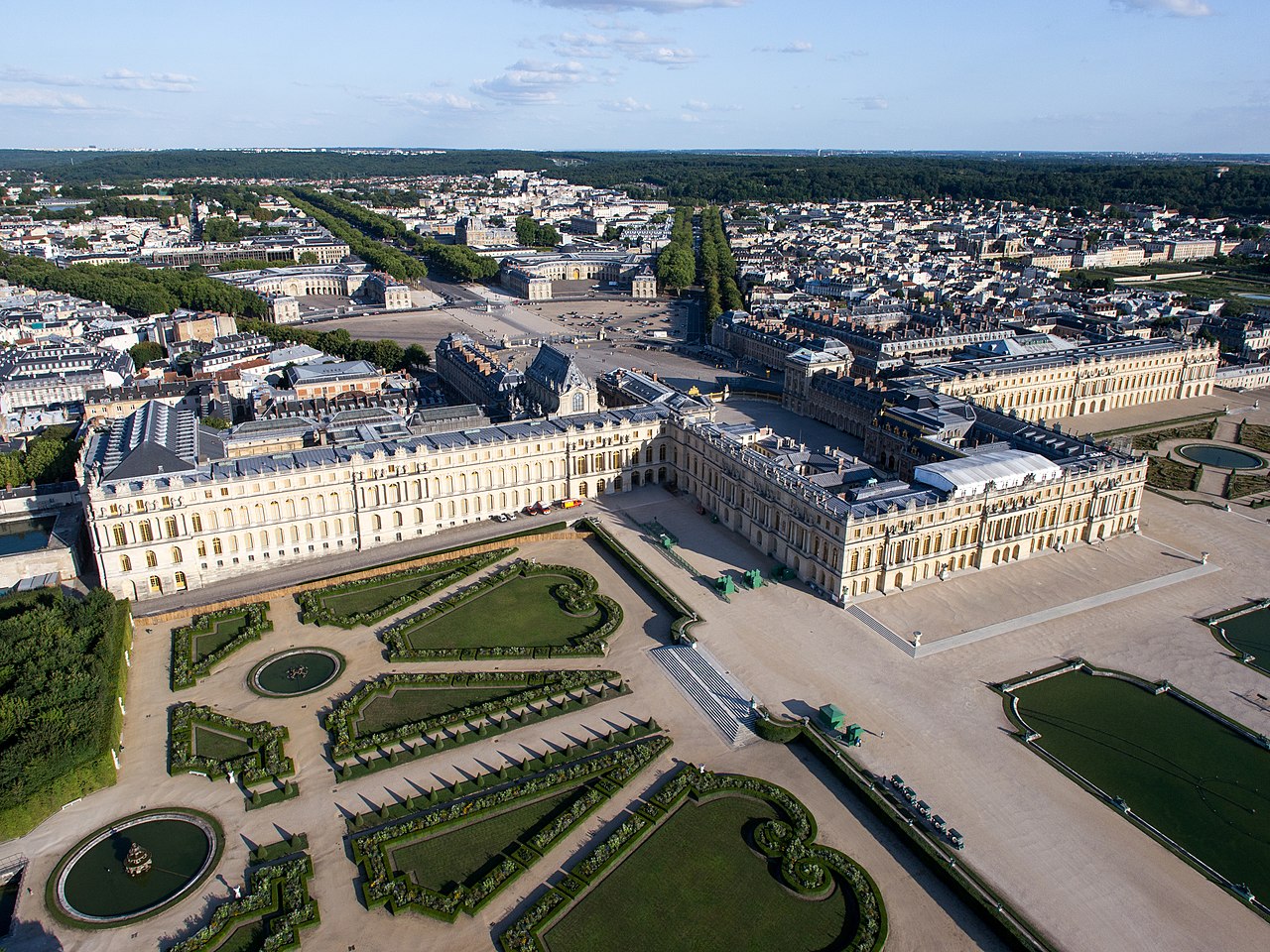
Adding to the summit's surprising outcomes was the signing of an initial agreement to end the Iran war. This significant development occurred during a dinner hosted by Macron at the historic Palace of Versailles on June 17, 2026, transforming a celebration of French-American friendship into a symbolic finale for Macron's week-long diplomatic efforts. The signing of the memorandum of understanding between the U.S. and Iran, aimed at ending the conflict and reopening the Strait of Hormuz, was unexpected by many officials and guests, drawing applause and marking what many considered one of Macron's last major foreign policy triumphs as France's leader before his term concludes. The G6 leaders, despite previous criticisms of the U.S.-Israeli attack on Iran, supported Trump's agreement, choosing to avoid repeating their earlier objections.
Despite these moments of alignment, Macron's broader diplomatic strategy also encompasses a strong push for European strategic autonomy and resilience. Earlier in 2026, Macron had issued stark warnings, urging the European Union to prepare for potential 'hostility' from a Trump administration, which he described as 'anti-EU' and aiming for the bloc's 'dismemberment'. He specifically cited the Trump administration's previous push to acquire Greenland from Denmark as a 'Greenland moment' — an example of potential U.S. aggression that should compel Europe to assert its position and resist 'bowing down'. Macron has been a consistent advocate for Europe to become more strategically independent, capable of defending its interests even when American priorities diverge.
This drive for autonomy extends to economic policy, with Macron championing a 'Buy European' approach to boost the bloc's competitiveness, reduce reliance on external partners, and diversify supply chains. This initiative, however, has faced internal resistance from some EU member states, including Germany and Italy, who are wary of protectionist measures. The backdrop to these discussions includes lingering trade tensions, with Trump having imposed broad tariffs on G7 members in the past and threatening new levies on European cars and trucks. European leaders, therefore, find themselves balancing the need for cooperation with the U.S. with a growing recognition that they must prepare for a future where Washington may be a less predictable partner, fostering greater internal unity and leverage to protect their own interests. The G7 summit, while showcasing Macron's ability to temporarily bridge divides, ultimately underscores Europe's ongoing journey towards a more self-reliant and assertive global role.
How do you feel about this story?
Discussion
No comments yet. Be the first to share your thoughts.
Join the discussion
Sign in to share your thoughts on this story.