BNN Summary
Ahead of the crucial June 18 Legislative Council elections, Karnataka's ruling Congress party has once again resorted to 'resort politics' by shielding its Members of Legislative Assembly (MLAs) in a private resort near Bengaluru. This strategic move aims to prevent cross-voting and alleged poaching attempts by rival parties, particularly in the hotly contested seventh seat. The practice, a familiar sight in Indian politics and especially in Karnataka, underscores the high stakes and deep mistrust prevalent in closely fought elections.
In-Depth Analysis
Karnataka is once again at the epicentre of 'resort politics' as the ruling Congress party moves to sequester its MLAs ahead of the biennial elections to the Legislative Council, scheduled for June 18. This tactical manoeuvre, involving housing legislators in a private resort on the outskirts of Bengaluru, is a direct response to fears of cross-voting and potential poaching by opposition parties, especially given the tight contest for one of the seven seats up for grabs.
The Congress Legislature Party (CLP) meeting, convened for the evening of June 16, is expected to precede the transfer of MLAs to the Terrea Resort, located within the Wonderla amusement park premises on Mysuru Road, approximately 28 km from Bengaluru. From there, the legislators will reportedly be transported directly to the Assembly to cast their votes on polling day. This measure highlights the party's determination to maintain unity and prevent any discrepancies in voting during a preferential voting system.
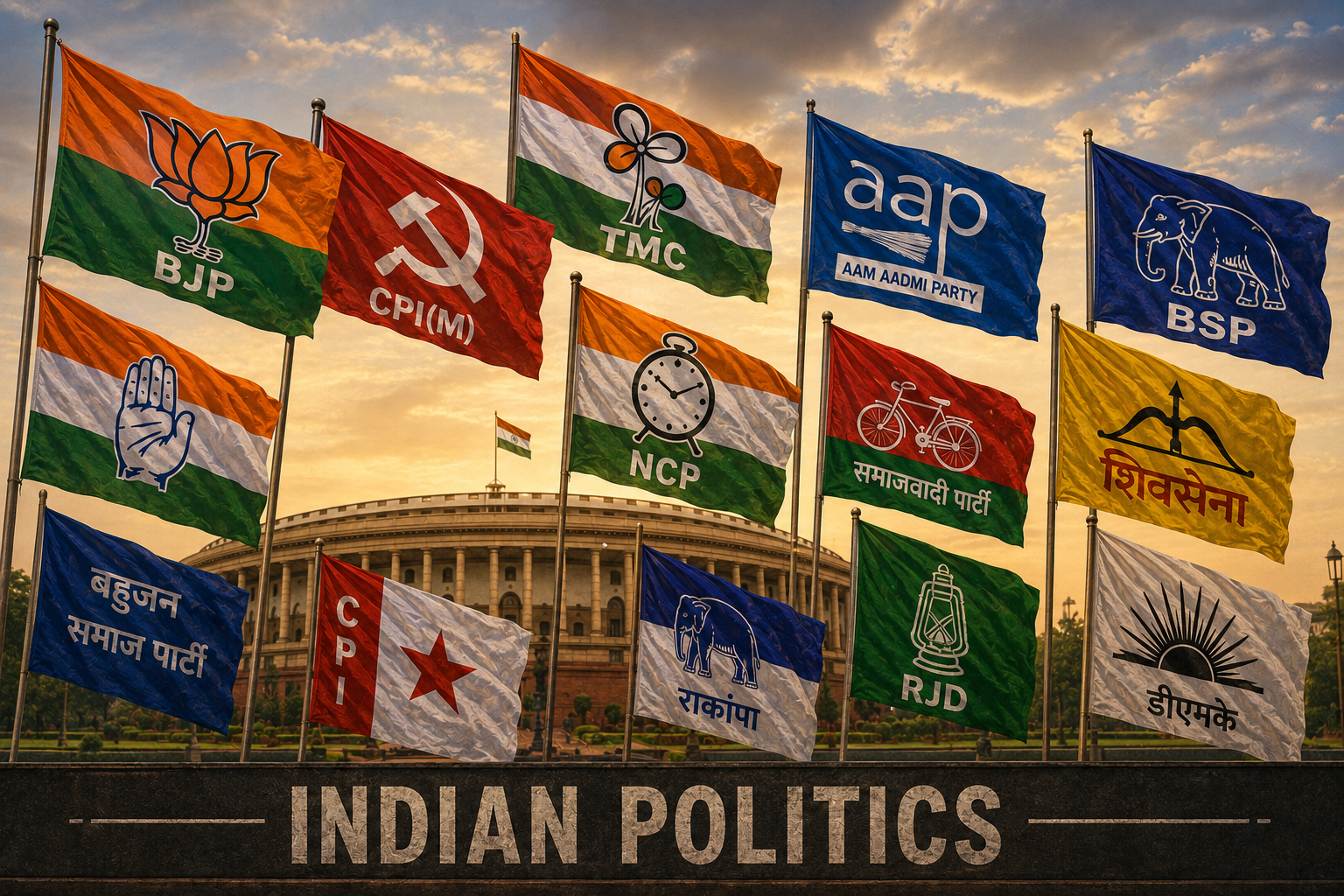
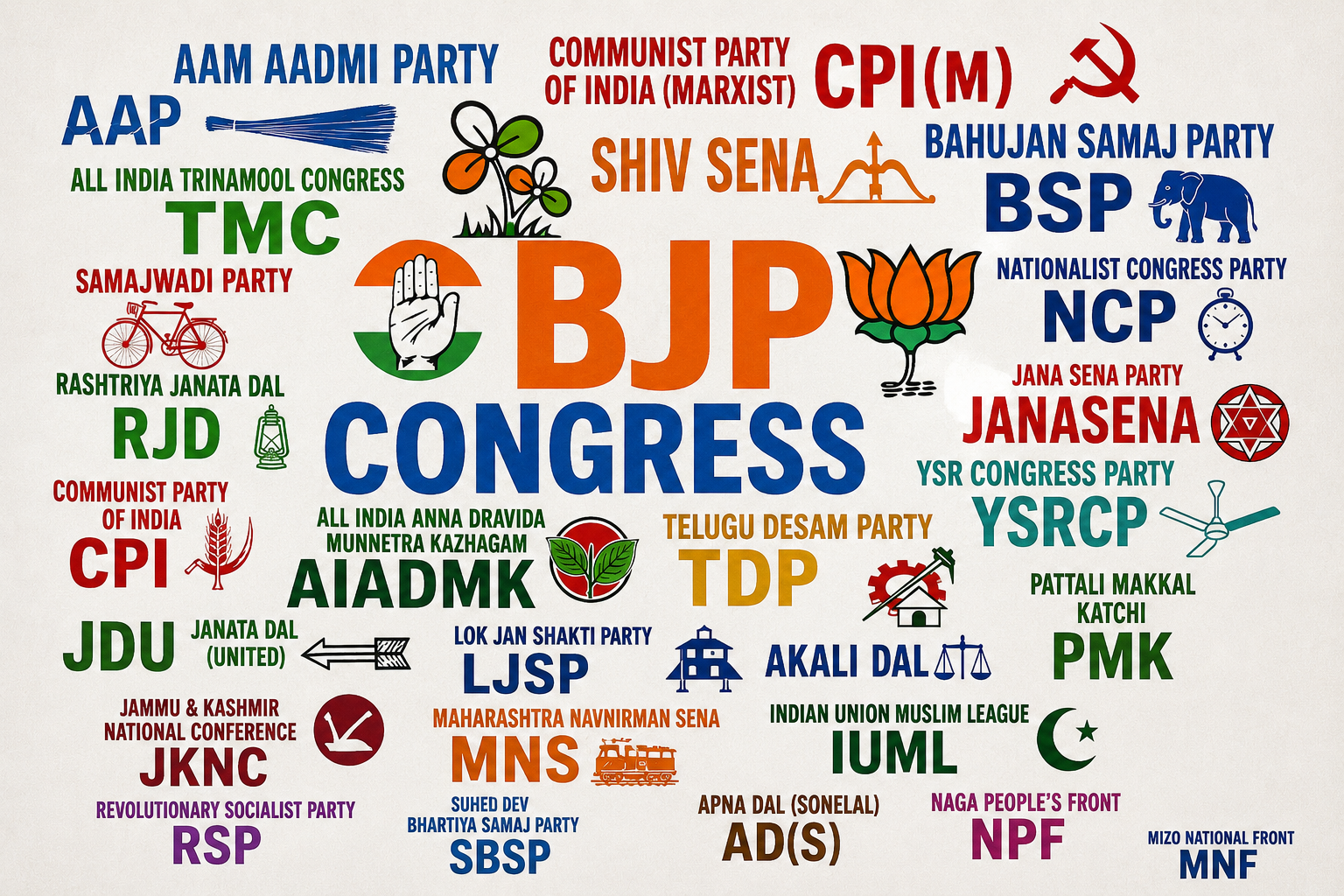
Seven seats in the Karnataka Legislative Council are being contested, with eight candidates in the fray, making the elections closely watched. Based on the current strength in the Assembly, the Congress is positioned to comfortably secure four seats, while the Bharatiya Janata Party (BJP) is expected to win two. However, the battle for the crucial seventh seat remains fiercely contested. The Congress has fielded five candidates: B.K. Hariprasad, Tippannappa Kamaknur, P.V. Mohan, Shivanna B.S., and Vinay Karthik Prakash. The Janata Dal (Secular) (JD(S)) has nominated Govindaraju, while the BJP has put forward Lingaraj Patil and Raghu R.
The contest for the seventh seat is a direct face-off between Congress's Vinay Karthik Prakash and JD(S)'s Govindaraju. Each candidate requires 28 votes to secure victory. The Congress, with 135 members and additional support from two independents and one Raitha Sangha member, believes it has just enough votes to secure five seats. The JD(S), with 18 members, is banking on support from its alliance partner BJP, which has seven surplus votes after securing its two seats. Even with this support, the JD(S) would still be short by two votes, making the loyalties of expelled BJP members and independents critical.
'Resort politics' is a phenomenon deeply ingrained in India's political landscape, particularly in Karnataka, which has been dubbed its 'epicentre'. This practice involves political parties moving their elected representatives to secluded luxury resorts or hotels to prevent them from being 'poached' or from cross-voting in crucial elections or trust votes. The motivation often stems from tight electoral verdicts, leadership struggles, or when the numbers in the legislative assembly are not strongly in favour of any single party. By isolating their legislators, parties aim to 'build a wall' around them, making them inaccessible to rival camps who might offer inducements or engage in 'horse-trading'.
Historically, Karnataka has witnessed numerous instances of resort politics. In 1983, then Chief Minister Ramakrishna Hegde housed 80 Janata Party MLAs in a luxury resort to prevent Prime Minister Indira Gandhi from dissolving his government. B.S. Yeddyurappa, too, utilized this tactic multiple times between 2009 and 2012, sometimes involving as many as 80 BJP MLAs. Other states like Haryana (1982), Andhra Pradesh (1984, 1995), Maharashtra (2002), Gujarat (2017), Madhya Pradesh (2020), and Rajasthan (2020) have also seen similar episodes, demonstrating the widespread nature of this strategy across Indian politics. Critics argue that resort politics undermines democratic principles by effectively imprisoning elected representatives and reducing their autonomy, transforming luxurious accommodations into 'nicest jails'.
The current move by the Congress party ahead of the June 18 MLC polls is a testament to the high stakes involved for Chief Minister D.K. Shivakumar, who is facing a significant electoral test. A victory for the Congress's fifth candidate would solidify his authority and strategic acumen, while a defeat could raise questions about party cohesion. The Opposition has, predictably, accused the ruling party of lacking confidence in its own legislators, though Congress leaders maintain it is a necessary precautionary measure. As the election day approaches, the focus shifts from legislative debate to the logistical intricacies of managing and safeguarding legislators, a familiar but often controversial aspect of Indian electoral dynamics.
How do you feel about this story?