BNN Summary
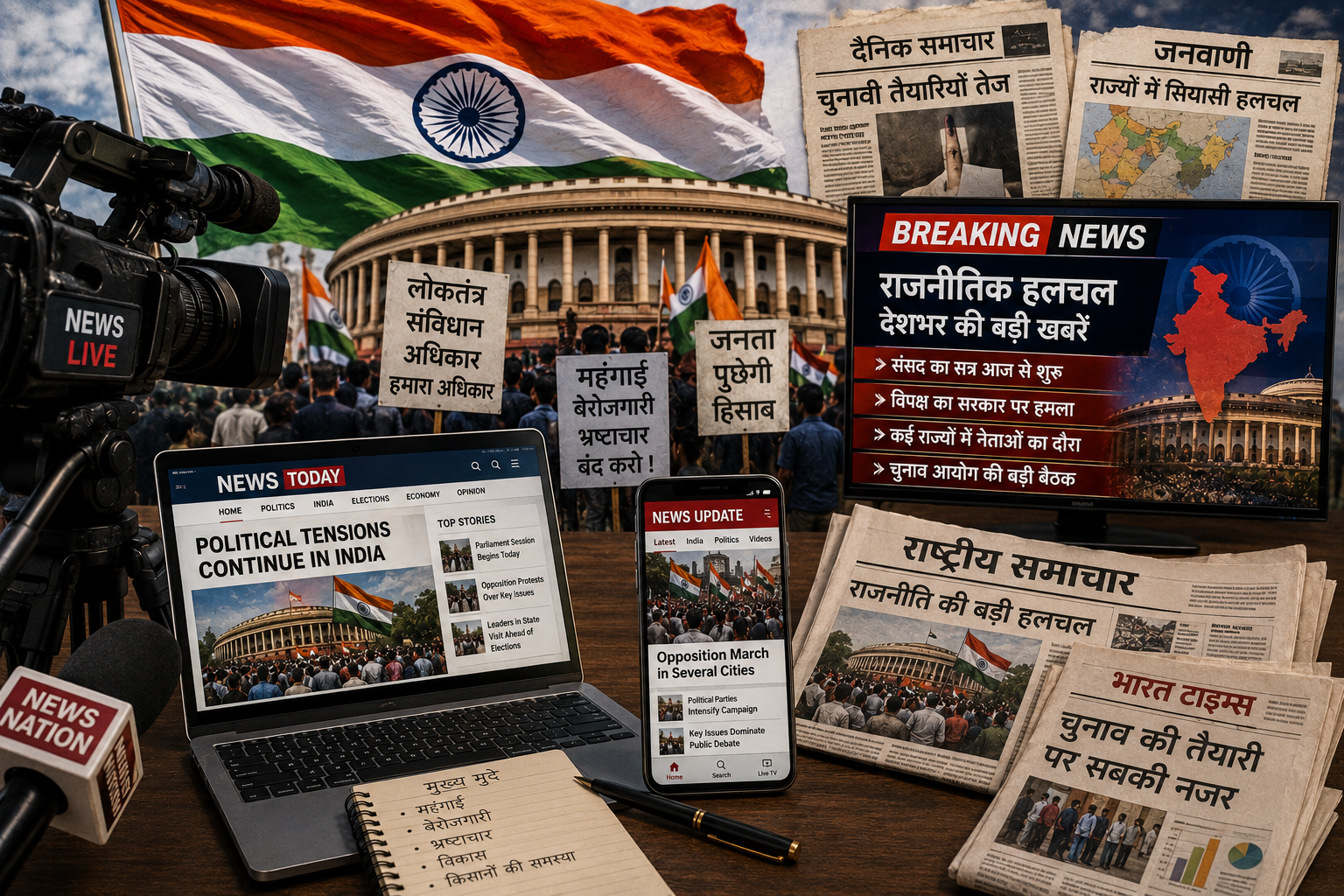
The INDIA bloc, a coalition of 23 opposition parties, is set to hold a crucial meeting in Delhi to address the prevailing political situation and pressing student issues. A primary focus will be the controversy surrounding the NEET UG examination. The alliance has already outlined a five-point strategy designed to challenge the ruling BJP, which includes a strong emphasis on electoral integrity, broader educational reforms, and tackling India's economic challenges.
In-Depth Analysis
Asignificant convergence of India's opposition forces is underway in Delhi as the Indian National Developmental Inclusive Alliance (INDIA) bloc convenes for a pivotal meeting. Comprising 23 parties, the alliance is slated to delve into a comprehensive discussion on the current political landscape and critical issues affecting students across the nation. This gathering assumes heightened importance in the aftermath of the recent general elections and amid growing public scrutiny over national examinations.
Central to the discussions will be the widespread concerns surrounding the National Eligibility cum Entrance Test-Undergraduate (NEET UG) examination. The examination, a crucial gateway for aspiring medical students, has been embroiled in controversy, with allegations of paper leaks, irregularities, and calls for re-examination dominating headlines. The INDIA bloc is expected to articulate a unified stance on these issues, advocating for transparency, accountability, and the protection of students' futures. The alliance recognizes the profound impact these controversies have on millions of young individuals and their families, and their collective voice aims to pressure the government for swift and decisive action. Beyond the immediate NEET UG crisis, the bloc is also anticipated to address broader challenges within the education sector, including access to quality education, curriculum reforms, and the overall welfare of students in higher education.
The meeting's agenda extends beyond student issues to encompass a thorough review of the overarching political situation in the country. The INDIA bloc seeks to consolidate its position as a formidable opposition, strategizing on how to effectively scrutinize government policies and champion the concerns of various segments of society. The discussions are expected to cover recent electoral outcomes, the formation of the new government, and the challenges faced by states and citizens under the current administration. Leaders from the 23 constituent parties will exchange perspectives, aiming to foster greater cohesion and coordinated action in Parliament and beyond.
In preparation for these challenges, the INDIA bloc has already formulated a five-point strategy aimed at effectively countering the ruling BJP government. This strategic framework underscores the alliance's commitment to a multi-pronged approach in holding the government accountable. A key pillar of this strategy is a resolute focus on 'electoral integrity'. This likely entails advocating for reforms in electoral processes, enhancing transparency in campaign financing, addressing concerns related to Electronic Voting Machines (EVMs), and ensuring the independence and impartiality of electoral bodies. The opposition has historically raised various issues pertaining to the fairness and credibility of elections, and this point in their strategy reflects a continued commitment to these concerns.
Furthermore, 'education issues' form another vital component of the bloc's five-point plan. This reiterates and expands upon the immediate discussions around the NEET UG controversy, indicating a long-term commitment to addressing systemic problems in India's vast education landscape. This could involve advocating for increased public spending on education, reforms in examination systems to prevent future leaks, improving the quality of teaching, and ensuring equitable access to educational opportunities across all social strata. The emphasis on education highlights the bloc's understanding of its critical role in national development and social mobility.
Finally, the INDIA bloc's strategy places significant importance on 'economic challenges'. India is currently navigating a complex economic landscape, with issues such as inflation, unemployment, and income inequality being prominent concerns for the populace. The opposition alliance is expected to formulate collective responses to these issues, possibly proposing alternative economic policies, critiquing the government's handling of the economy, and advocating for measures that alleviate the financial burden on common citizens. This could include calls for stimulus packages, job creation initiatives, and policies aimed at curbing rising prices of essential commodities. The unified approach from 23 parties underscores the alliance's determination to present a strong, united front on these critical national issues.
As the meeting progresses, the outcomes and resolutions adopted by the INDIA bloc will be closely watched, shaping the discourse and political dynamics in the coming months. The collective strength of 23 parties signals a renewed push to challenge the incumbent government and champion the causes that resonate deeply with the Indian electorate.
How do you feel about this story?
Discussion
No comments yet. Be the first to share your thoughts.
Join the discussion
Sign in to share your thoughts on this story.