Image: Wikimedia
BNN Summary
Congress leader Rahul Gandhi delivered a stark message to INDIA bloc allies, questioning their ability to secure victory in what he termed a '100% stolen' and unfair electoral environment. He urged coalition partners to abandon traditional political strategies, asserting that the ruling party has compromised state institutions. Gandhi's candid remarks, particularly his refusal to 'hug' Kerala's former CM Pinarayi Vijayan, have sparked sharp reactions within the alliance, highlighting underlying tensions regarding unity and approach. The bloc has affirmed its commitment to electoral integrity by resolving to approach the judiciary.
In-Depth Analysis
In a pivotal address to the Indian National Developmental Inclusive Alliance (INDIA) bloc meeting on June 8, Congress leader Rahul Gandhi challenged coalition partners to critically assess their preparedness to contest elections under conditions he unequivocally described as 'unfair' and systematically compromised. Gandhi asserted that the Bharatiya Janata Party (BJP) is '100% stealing' elections, rendering traditional political instruments ineffective due to the alleged capture of state institutions.
Gandhi's core message revolved around the premise that while public sentiment might suggest the next election is 'already won' due to widespread anger, the true hurdle lies in resisting an electoral process that lacks fairness. He emphasized that institutions vital to democratic functioning—including the legal system, bureaucracy, intelligence agencies, and even the Election Commission—are no longer neutral and are reportedly controlled by the ruling party. He further highlighted biases in the digital sphere, noting that opposition leaders' social media accounts are often suppressed, contributing to an 'unfair' digital architecture tilted towards the government.
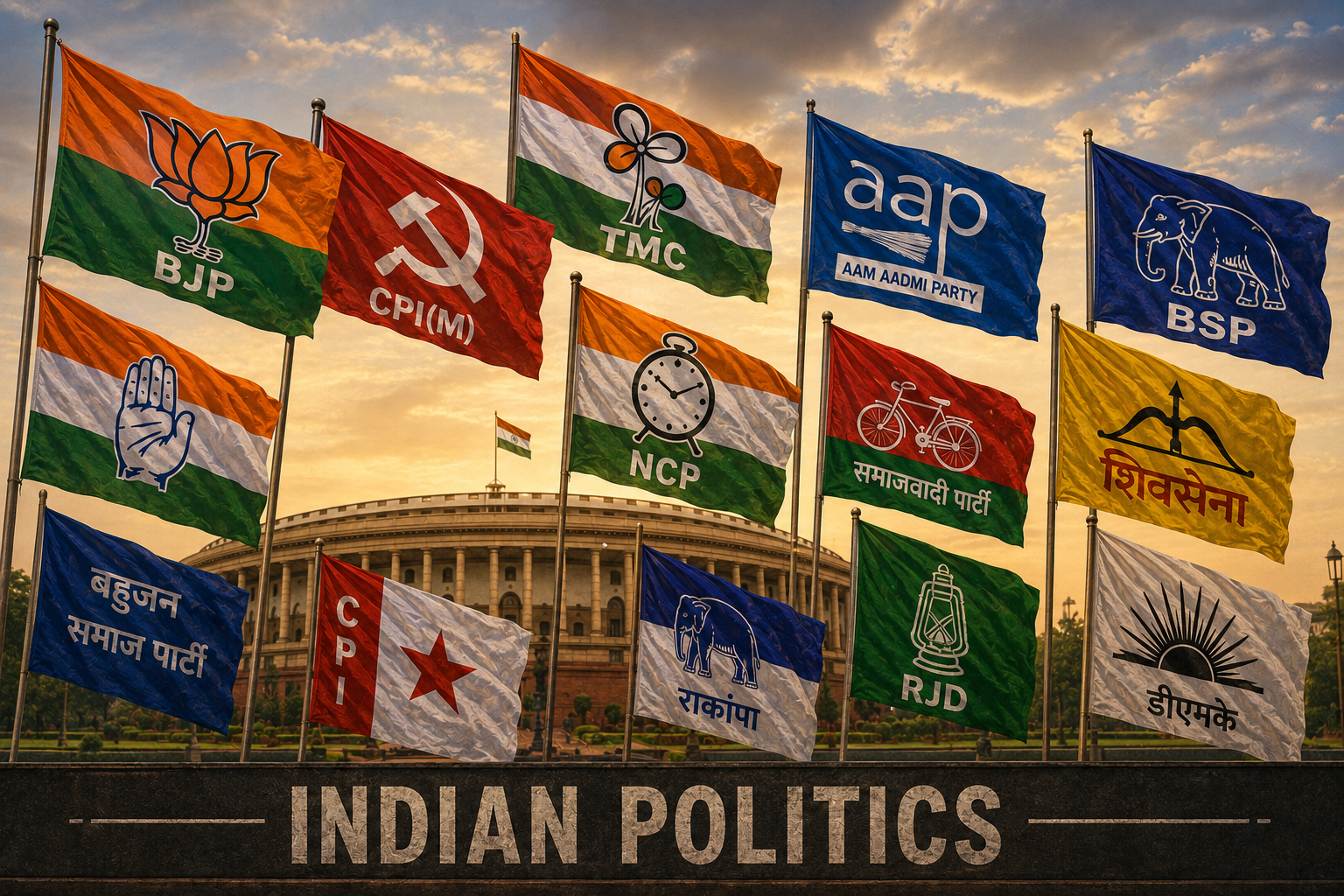
The Congress leader directly addressed what he perceived as a 'confusion' among some INDIA bloc constituents, such as the Trinamool Congress (TMC), Rashtriya Janata Dal (RJD), and Shiv Sena (Uddhav Thackeray faction). He stated that these parties might still be operating under the 'dreamland' notion that conventional political tools and strategies would suffice. Gandhi recounted telling TMC friends that they were in a 'dreamland' when they were confident of sweeping the West Bengal elections, having observed similar patterns in states like Gujarat, Madhya Pradesh, Chhattisgarh, Haryana, and Maharashtra. He urged allies to shed all doubts and recognize the complete subversion of electoral integrity.
Adding a layer of internal complexity to the INDIA bloc, Gandhi invoked the Shaiva tradition, comparing the Congress's role to Lord Shiva consuming poison. He stated that the Congress was prepared to 'swallow poison' – accepting criticism and humiliation from allies – to preserve the unity of the opposition. He underlined Congress's responsibility to keep the bloc united with 'love and affection' and rejected any notions of disunity as propaganda spread by the BJP.
However, Gandhi's candidness sparked significant friction within the alliance. A 'hug row' erupted following his remark that he 'cannot and will not' embrace former Kerala Chief Minister Pinarayi Vijayan due to their ongoing political rivalry in Kerala. The Communist Party of India (Marxist) (CPM) and Vijayan himself reacted sharply. Vijayan countered, stating that hugging was not the issue, but rather Gandhi's political approach was detrimental to opposition unity and inadvertently aided the BJP. CPM General Secretary M.A. Baby went further, accusing Gandhi of acting as a 'facilitator for the ED and the Modi government' by advocating for Vijayan's arrest. Reports also indicated that other leaders, including Akhilesh Yadav and Tejashwi Yadav, raised objections during the meeting concerning the Congress's stance.
Despite these internal disagreements, the INDIA bloc meeting on June 8 concluded with a unified resolve to confront the government on several critical issues. The alliance adopted five key resolutions focusing on electoral transparency, unemployment, inflation, and examination-related controversies. Significantly, they decided to formally approach the judiciary regarding concerns about voter registration processes and alleged electoral irregularities, advocating for the return of ballot paper voting to ensure fairness. While emphasizing resistance, the bloc reiterated that there was no proposal to boycott elections, aiming instead to safeguard democratic processes through active engagement.
The BJP, meanwhile, dismissed the INDIA bloc's deliberations as 'drama,' asserting that the alliance lacks ground presence and frequently loses elections. This backdrop of fierce political contestation and accusations of electoral subversion sets the stage for a contentious political future in India, as the opposition grapples with internal unity while striving to challenge the ruling party's dominance.
How do you feel about this story?