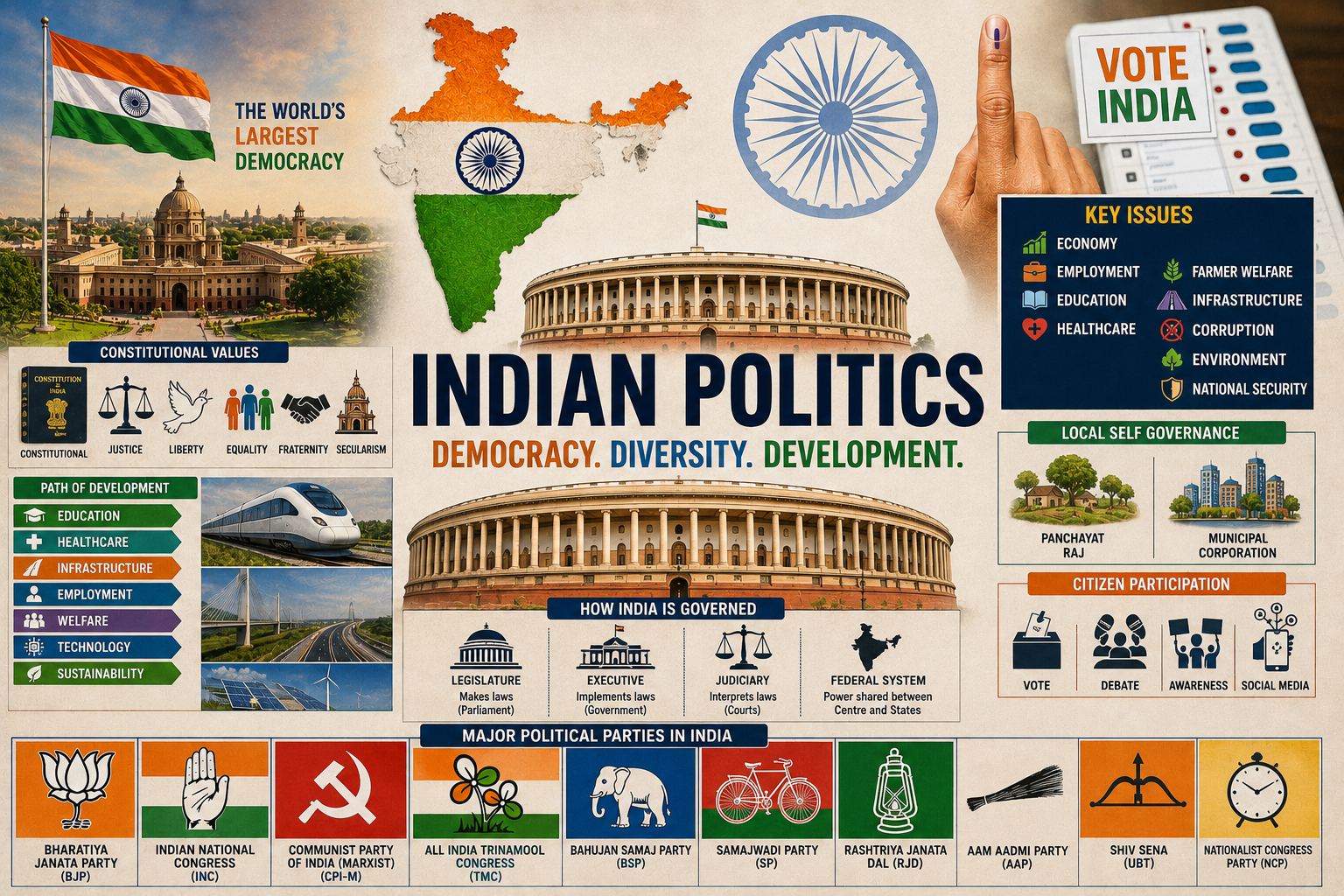
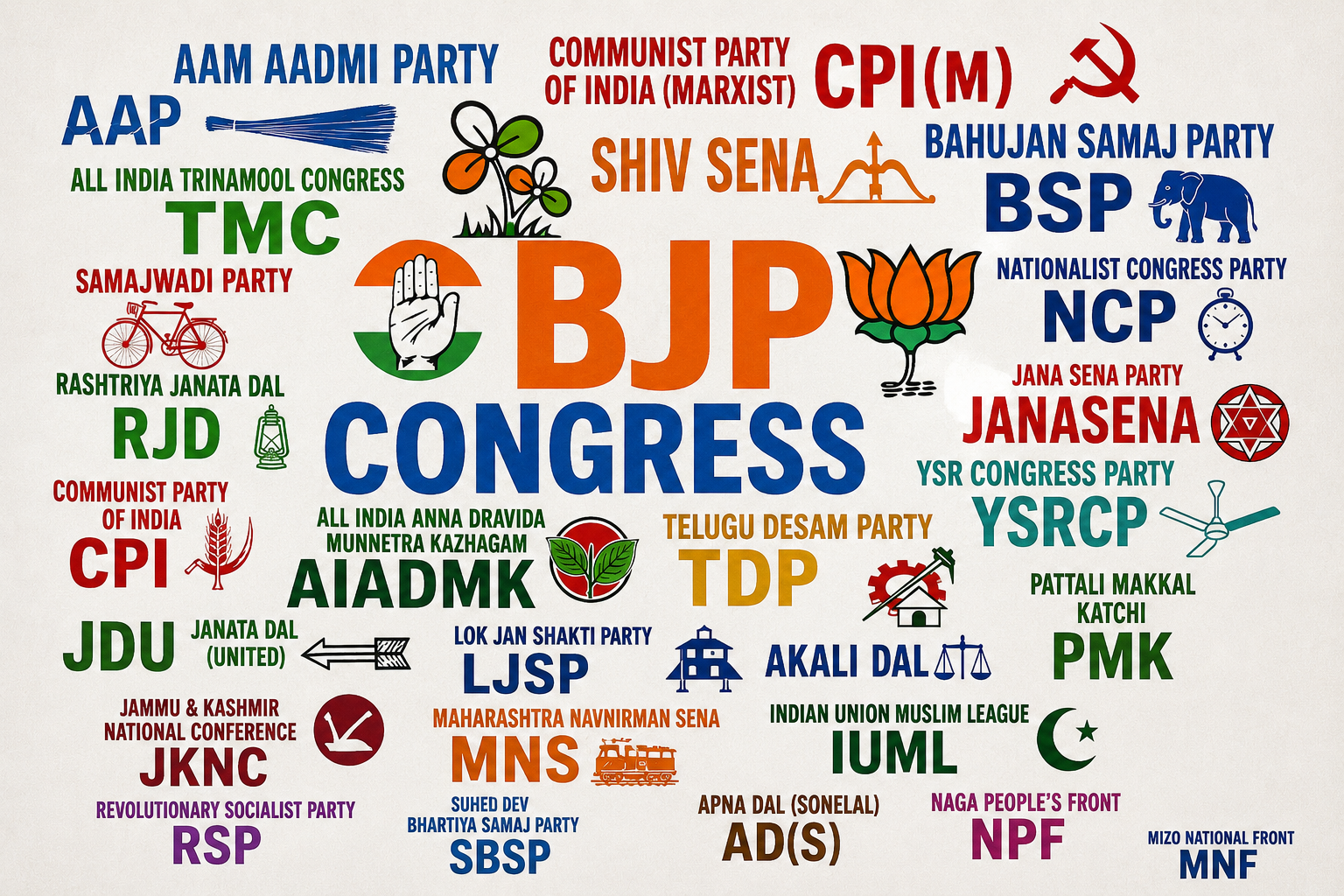
Image: Wikimedia
BNN Summary
Political maneuvering has reached a fever pitch in Haryana as the Rajya Sabha election nears. With internal party concerns regarding cross-voting and potential poaching of legislators, major political entities are shifting their members to secure votes. The high-stakes environment underscores the fragile balance of numbers in the state assembly as parties scramble to consolidate their influence before the upcoming vote.
In-Depth Analysis
The political atmosphere in Haryana has grown increasingly volatile as the state moves closer to the scheduled Rajya Sabha elections. With the numbers game becoming the primary focus for all major political players, the atmosphere is thick with rumors of shifting loyalties and strategic regrouping. Senior leadership from various factions has been engaged in a series of urgent, high-level meetings to ensure that their respective counts remain secure and to insulate their legislators from outside influence.
The Congress Strategy
Following concerns regarding the stability of their legislative block, the Haryana Congress has taken proactive measures to safeguard its members. There are widespread reports that the party has moved a significant portion of its legislators to undisclosed locations, often referred to in political circles as 'resort politics'. This strategy is aimed at preventing poaching attempts by rivals and ensuring that every vote is accounted for during the secret ballot process. Party observers have expressed concern that the threat of cross-voting is not merely theoretical, but a genuine risk that could alter the outcome of the election if party discipline is not strictly maintained.
Concerns Over Cross-Voting
In a legislative assembly where every single vote carries significant weight, the fear of cross-voting has become the defining feature of the election season. Cross-voting occurs when a legislator decides to vote against their party's official candidate, often due to personal grievances, local political calculations, or inducements from opposing camps. Because Rajya Sabha elections utilize a preferential voting system, even a small number of defectors can cause an upset for a candidate who appears to have a comfortable majority on paper.
The Role of Independent Legislators
Beyond the primary party organizations, the role of independent members and smaller regional parties in the Haryana Vidhan Sabha has become a focal point of negotiation. Both the ruling establishment and the opposition are actively courting these independent MLAs, who potentially hold the key to victory in a closely contested race. The 'kingmaker' potential of these legislators has led to an uptick in outreach efforts, with both sides promising development funds, ministerial considerations, or political alignments in exchange for their support.
Security and Procedural Vigilance
Beyond the political maneuvering, the Election Commission has heightened its monitoring of the process to ensure that the sanctity of the vote remains intact. Observers have been appointed to oversee the proceedings, and strict guidelines have been issued regarding the handling of ballots. The intense focus on these elections reflects the broader national trend where Rajya Sabha seats are viewed not just as parliamentary positions, but as indicators of political health and organizational strength at the state level.
As the date for the election approaches, the electorate and political analysts alike remain focused on the final tallies. Whether these defensive strategies succeed in preventing defections or if the outcome brings a surprising shift in power dynamics, the current events in Haryana serve as a stark reminder of the complexities involved in Indian regional politics where legislative loyalty is constantly tested by electoral arithmetic.
How do you feel about this story?
Discussion
No comments yet. Be the first to share your thoughts.
Join the discussion
Sign in to share your thoughts on this story.