
BNN Summary
Union Finance Minister Nirmala Sitharaman has strongly criticized the Congress party, accusing it of engaging in 'fear-mongering' and 'obstruction' regarding the government's various policies and initiatives. Sitharaman's remarks highlight a persistent political standoff, with the ruling party alleging that opposition tactics are hindering national progress and misleading the public on critical development agendas.
In-Depth Analysis
Union Finance Minister Nirmala Sitharaman has launched a scathing attack on the Congress party, accusing it of systematically engaging in 'fear-mongering' and 'obstruction' against the government's policies and initiatives. The senior BJP leader's comments underscore the ongoing friction between the ruling dispensation and the principal opposition party, with both sides frequently trading barbs over governance and policy implementation.
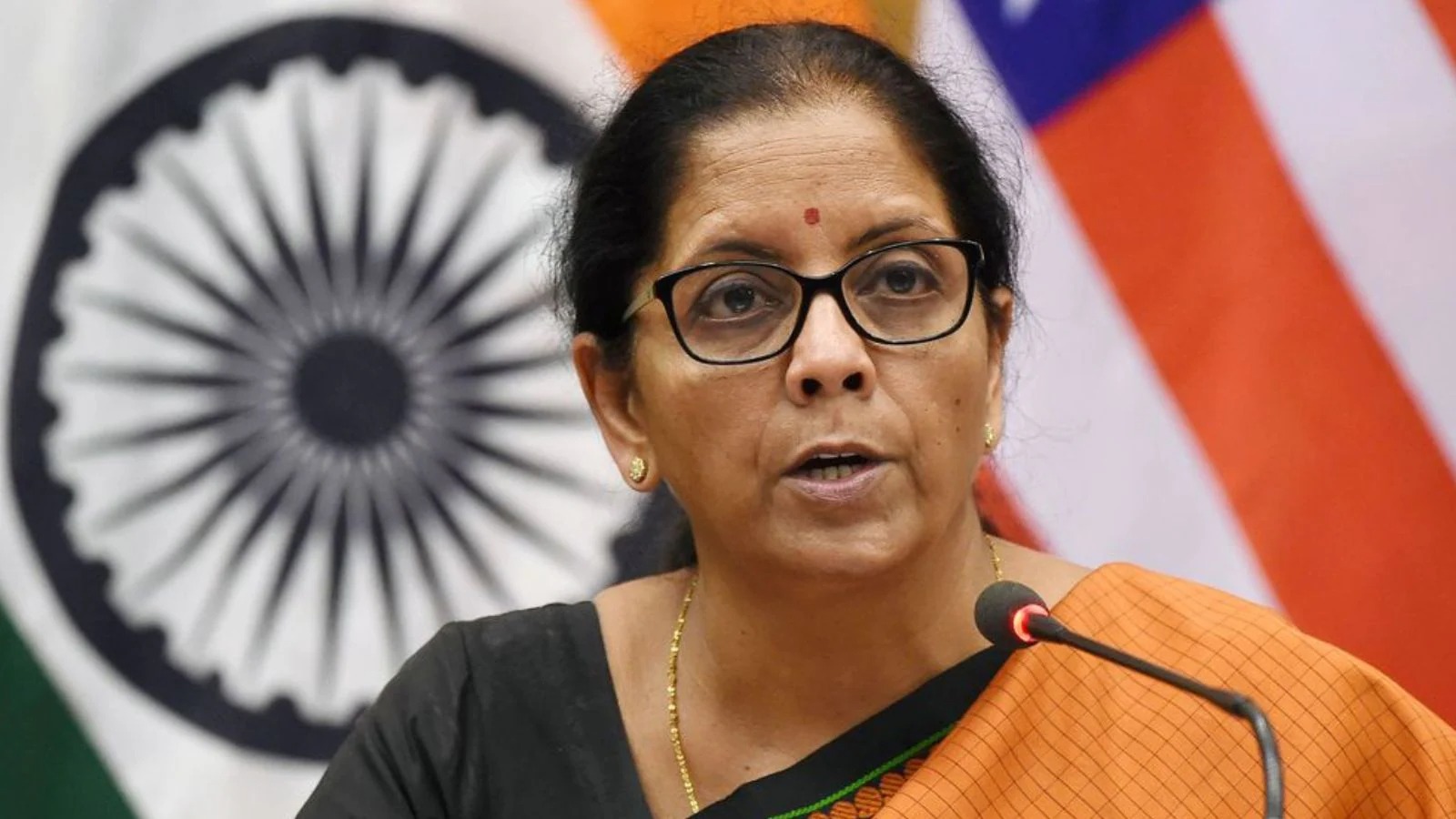
Addressing the media, Sitharaman articulated her concern that the Congress's approach is detrimental to national interests, characterizing their actions as attempts to sow doubt and create an atmosphere of negativity around crucial governmental programs. She emphasized that such tactics not only undermine public confidence but also impede the smooth functioning of parliamentary democracy and the effective delivery of welfare schemes and economic reforms.
"The Congress party has made it a habit to obstruct every progressive policy and initiative brought forth by this government," Sitharaman stated, adding, "Their consistent strategy of fear-mongering is designed to mislead citizens and create unwarranted apprehension about policies that are clearly aimed at national growth and public welfare."
Sitharaman's remarks come amid a period of intense legislative activity and the government's push for various reforms across sectors, including economy, agriculture, and social welfare. The Finance Minister, being at the helm of the nation's economic policies, frequently faces the task of defending the government's fiscal strategies and development models against opposition scrutiny. Her current criticism suggests a frustration with what the government perceives as non-constructive opposition.
Accusations of 'obstruction' typically refer to the opposition's role in delaying legislative processes, resisting key bills in Parliament, or boycotting sessions, which the ruling party argues slows down governance and reform. 'Fear-mongering,' on the other hand, often refers to the opposition's narrative-building around potential negative impacts of government policies, which the government deems as exaggerated or misleading attempts to politicize issues.
The Finance Minister highlighted that the government's commitment to public welfare and economic stability remains unwavering, despite what she described as the Congress's efforts to create unwarranted alarm. She urged the opposition to engage in constructive criticism and debate, rather than resorting to tactics that, in her view, serve only to create division and hinder progress.
While specific policies were not detailed in the context of her remarks, it is understood that her critique encompasses a broad range of government actions, from economic reforms to social schemes, all of which often become battlegrounds for political discourse. The government frequently asserts that its initiatives are designed to uplift all sections of society, while the opposition often counters with concerns about implementation, fairness, or potential adverse effects on certain segments of the population. Sitharaman's statement reflects the ruling party's stance that the Congress's opposition is often unconstructive and driven by political opportunism rather than genuine concern for public good.
How do you feel about this story?


