Image: Wikipedia
BNN Summary
The Election Commission of India has officially launched the third phase of its Strategic Electoral Reform Initiative, covering 16 states and three Union Territories. The rollout aims to modernize voting infrastructure, enhance transparency, and integrate advanced digital verification protocols. While this large-scale initiative progresses, authorities are also raising public awareness regarding fraudulent elements attempting to impersonate election officials to orchestrate financial scams against vulnerable citizens.
In-Depth Analysis
The Election Commission of India (ECI) has officially inaugurated Phase-III of its ambitious Strategic Electoral Reform Initiative (SIR). This latest expansion covers 16 states and three Union Territories, marking a significant step forward in the constitutional body's quest to streamline electoral processes across the nation. The initiative, which has been under development for several years, focuses on digitizing voter records, upgrading the security of electronic voting machinery, and providing robust verification tools for citizens.
Core Objectives of Phase-III
The primary focus of this phase is the integration of advanced biometric verification and real-time data synchronization between the ECI central database and regional polling stations. By ensuring that voter identity verification is seamless and tamper-proof, the Commission aims to reduce electoral malpractices and accelerate the polling process during future elections. Officials noted that the inclusion of three Union Territories in this phase ensures that the digital infrastructure is tested across diverse administrative environments, providing a scalable model for the entire country.
Heightened Security and Public Awareness
Despite the positive progress of the electoral reforms, the ECI has issued an urgent advisory to the public. Reports from Bengaluru have highlighted a disturbing trend where malicious actors are impersonating 'ECI officials' under the guise of conducting the 'SIR verification process.' Recently, an 82-year-old resident was defrauded of Rs 3.49 lakh by individuals posing as government personnel claiming to be verifying electoral data.
'Citizens must remain vigilant,' a spokesperson stated. 'The ECI does not solicit financial transactions or sensitive banking information under any circumstances during the SIR verification drive. All official interactions are conducted through pre-authorized channels and verified local booth-level officers.' The Commission has requested citizens to report any suspicious callers to local law enforcement immediately.
The Intersection of Reform and Democracy
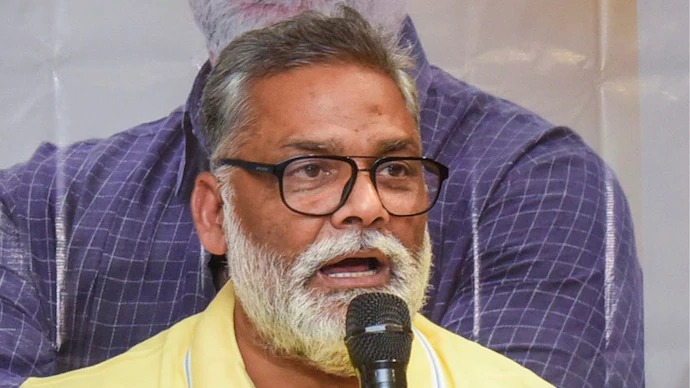
Beyond administrative reforms, the democratic spirit remains vibrant as seen in recent electoral contests. In the Bankipur bypoll, independent candidate Prashant Kishor has demonstrated a competitive showing against the ruling party, maintaining a lead of over 1,000 votes in early counts. This demonstrates that while the ECI works on the technical backend of 'SIR', the front-end of Indian democracy remains deeply competitive and engaged.
The combination of these structural updates and the high stakes of current by-elections underscore the importance of the ECI in maintaining the sanctity of the ballot. As the Phase-III rollout continues, the Commission expects to complete a comprehensive audit of all participating districts within the next quarter, effectively setting a new standard for democratic participation and administrative transparency in the Indian subcontinent. The ECI continues to emphasize that electoral integrity is the foundation of the democratic process, and every measure being taken is designed to bolster trust between the institution and the electorate.
How do you feel about this story?
Discussion
No comments yet. Be the first to share your thoughts.
Join the discussion
Sign in to share your thoughts on this story.