BNN Summary
In response to nationwide protests regarding recent examination irregularities, Prime Minister Narendra Modi has declared the establishment of dedicated fast-track courts to expedite the adjudication of paper leak cases.
In-Depth Analysis
In a significant move aimed at restoring the sanctity of national examinations and addressing the deep-seated grievances of the student community, Prime Minister Narendra Modi has announced the formation of fast-track courts specifically dedicated to handling cases of examination paper leaks. This landmark decision comes at a time when the country is witnessing widespread protests and intense scrutiny following irregularities in major competitive examinations, including the NEET.
Curbing Systemic Corruption in Exams
The Prime Minister's announcement is viewed as a decisive intervention to ensure that those who jeopardize the future of millions of students face swift and stringent legal consequences. By fast-tracking these cases, the government intends to reduce the long-drawn-out legal battles that often plague the judicial system, thereby providing justice to aggrieved candidates in a timely manner. The proposed framework aims to create a deterrent effect, ensuring that the integrity of the recruitment and entrance examination processes remains paramount.
The Need for Structural Reform
Experts and student unions have long argued that the existing legal mechanisms are insufficient to handle the complexities of modern exam fraud. The move to establish specialized fast-track courts represents a shift toward a more proactive, enforcement-heavy approach. Supporters of the initiative, including various academic institutions and student representatives, have lauded the decision. For instance, the Delhi University community has welcomed the announcement, with calls for protesters who are currently on hunger strikes to suspend their agitation in light of the government's constructive response.
Addressing Agricultural Productivity vs. Income
Beyond the domain of education and governance, the Prime Minister’s administration is also focusing on broader socio-economic reforms. S. Mahendra Dev, Chairman of the Economic Advisory Council to the Prime Minister (EAC-PM), recently highlighted the necessity of shifting the agricultural focus from mere production volume to the actual income generation of farmers. The council has suggested four key areas of policy intervention, emphasizing that simply increasing crop yield is insufficient if it does not translate into economic prosperity for the agrarian population. The council suggests that policy frameworks should prioritize high-value crops, supply chain optimization, and market integration to ensure that farmers reap the financial rewards of their labor.
Moving Toward a Transparent Future
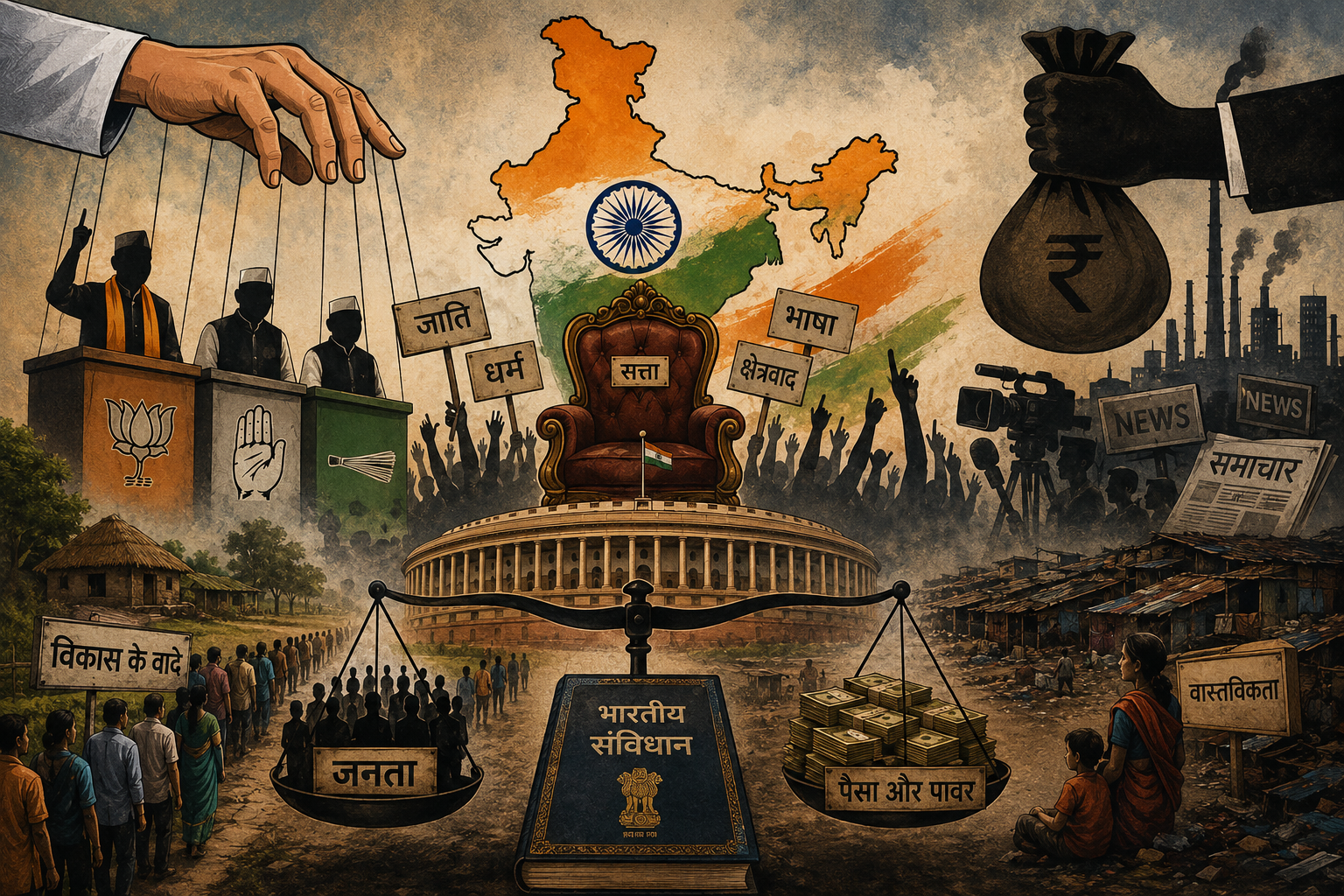
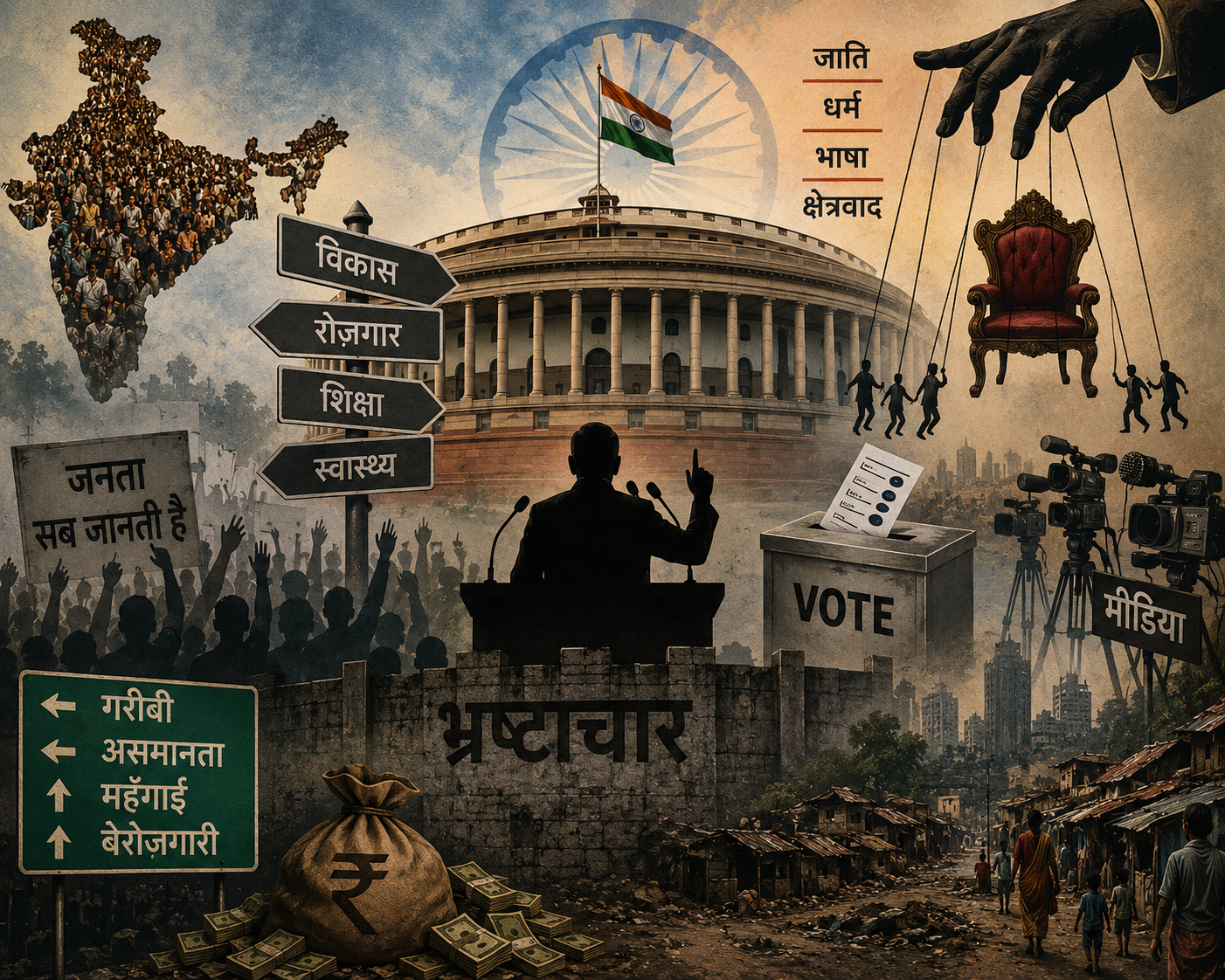
The dual focus on judicial transparency for students and economic empowerment for farmers marks a critical juncture for the current administration. As the country grapples with systemic challenges, the government is signaling that it is prepared to undertake legislative and administrative changes to build a more robust national architecture. Whether these fast-track courts will effectively eliminate the plague of exam paper leaks remains to be seen, but the intent to prioritize justice for the youth is clearly articulated at the highest level of government. The success of these initiatives will likely depend on the synergy between judicial efficiency, effective policy implementation, and administrative oversight.
How do you feel about this story?
Discussion
No comments yet. Be the first to share your thoughts.
Join the discussion
Sign in to share your thoughts on this story.