BNN Summary
Prime Minister Narendra Modi recently lauded the Bharatiya Janata Party for redefining Indian political priorities by placing national interests above all other considerations, fostering a new era of governance rooted in dedicated service.
In-Depth Analysis
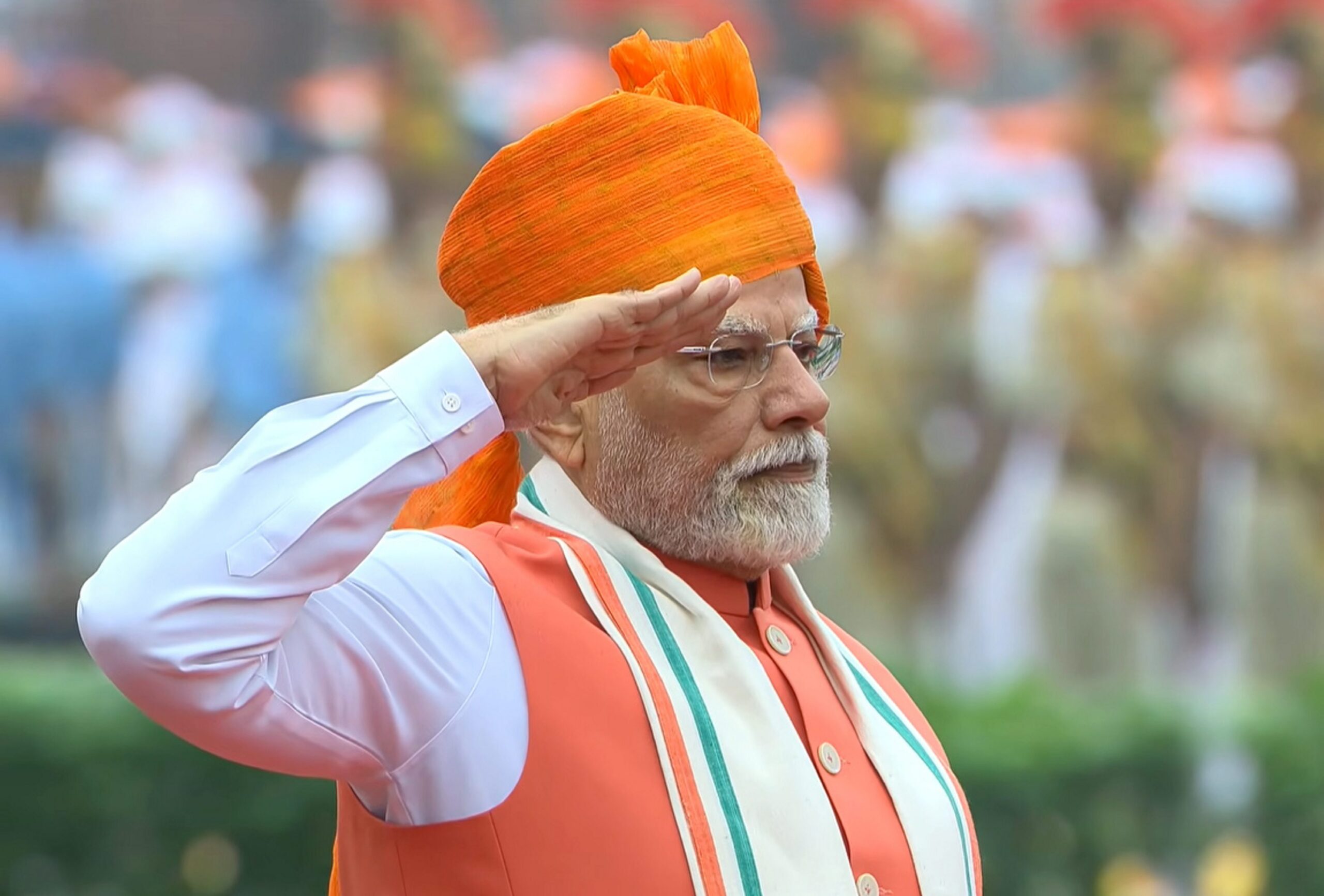
Prime Minister and senior Bharatiya Janata Party leader Narendra Modi recently addressed a gathering of party workers and supporters, emphasizing that his party has successfully established a new, transformative principle in Indian politics: the doctrine of 'Nation-First'. According to the Prime Minister, this fundamental shift represents a departure from traditional political approaches that were often mired in partisan gains, identity-based agendas, or the perpetuation of dynastic influence. Instead, the BJP has sought to anchor every policy decision, legislative reform, and administrative action in the collective growth and long-term security of India.
Redefining the Political Narrative
During his address, PM Modi highlighted how the political discourse in the country has undergone a sea change over the past decade. He argued that under the BJP's stewardship, governance has transitioned from a focus on electoral cycles to a focus on generational progress. 'The philosophy of Nation-First is not merely a slogan,' the Prime Minister noted, 'it is the guiding star for every worker and every policymaker within our fold.' He claimed that by prioritizing national unity and sovereignty, the party has effectively marginalized divisive politics, allowing the nation to focus on holistic development.
Impact on Governance and Development
This principle, the Prime Minister explained, is visible in several key government initiatives that prioritize infrastructure, welfare, and social inclusion. From the rapid expansion of digital connectivity in rural heartlands to the implementation of large-scale infrastructure projects that bridge regional inequalities, the administration insists that the intent remains to strengthen the backbone of the nation. The government argues that by removing bureaucratic hurdles and focusing on transparent, fast-tracked service delivery, it has fulfilled its promise to treat the citizen as the ultimate stakeholder in the country's prosperity.
Challenges and Future Outlook
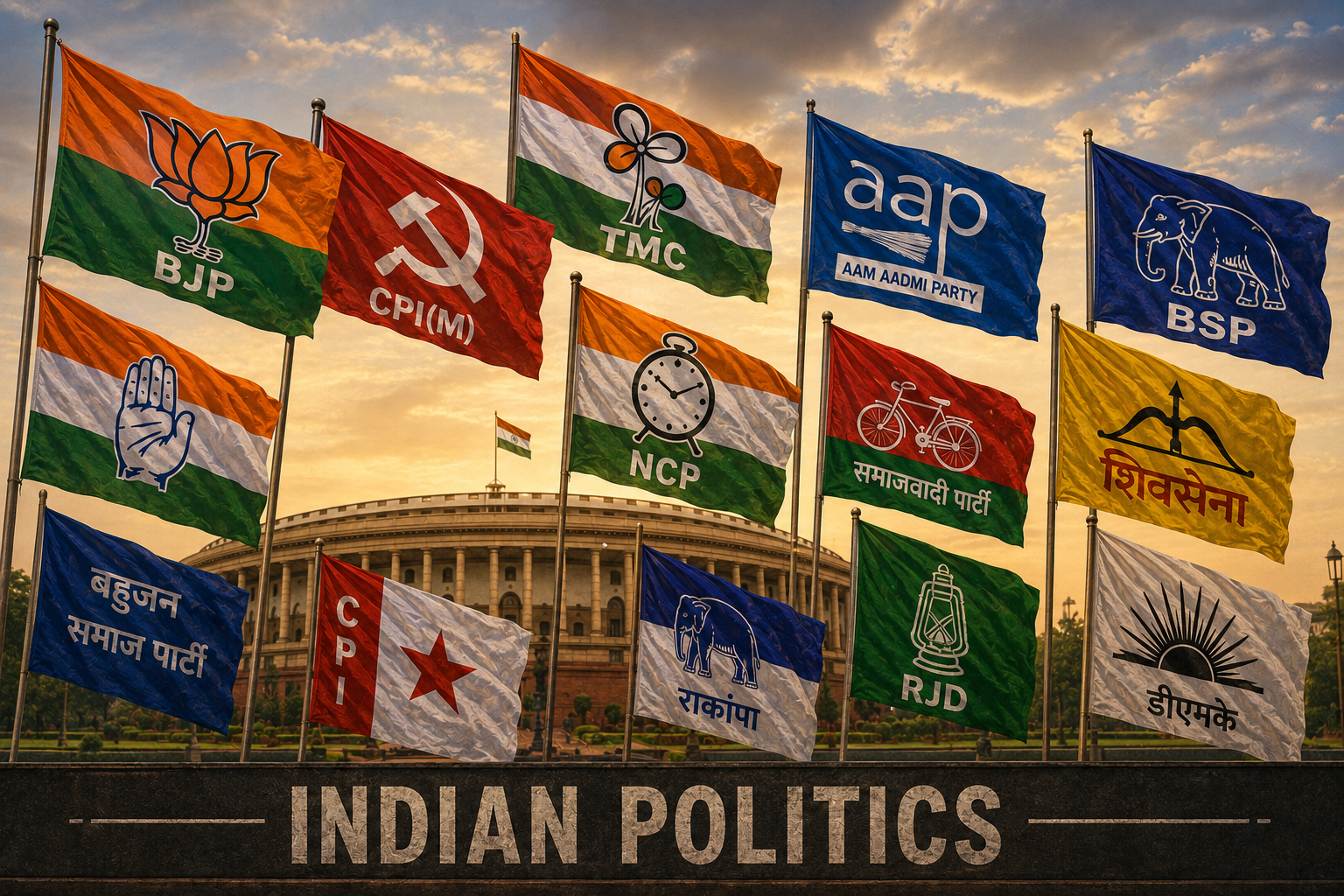
The shift toward a 'Nation-First' approach has not been without its critics. Opposition parties have frequently raised concerns regarding the concentration of power, the centralization of decision-making, and the perceived marginalization of state-level concerns. However, PM Modi remains steadfast, maintaining that a strong center is necessary for a strong India. He urged party cadres to continue their grassroots outreach, ensuring that the message of national unity permeates every level of society.
Looking ahead, the Prime Minister emphasized that the coming years would be crucial for India's emergence as a global leader. He called for unwavering dedication, suggesting that the era of 'politics for the sake of power' must remain in the past. Instead, he championed a model where political participation is viewed as a form of social service. The Prime Minister's remarks signal a clear strategic intent: to consolidate the BJP's ideological footprint by framing national development as the primary benchmark for political success. As the party prepares for upcoming political milestones, this messaging serves as both a retrospective justification of its tenure and a forward-looking promise of continued nationalist reform.
How do you feel about this story?
Discussion
No comments yet. Be the first to share your thoughts.
Join the discussion
Sign in to share your thoughts on this story.